Every monsoon, the Pamba River at Champakkulam stops being a backwater village's quiet waterway and becomes something else entirely — a racing ground, a pilgrimage route, and a declaration. The Champakkulam Moolam Vallam Kali is not simply a boat race. It is Kerala's oldest, a living ritual that has repeated itself each year on the Moolam star day of Midhunam for over four centuries, long before tourists, cameras or trophies existed.
Origin & Legend
A Divine Procession That Became a Race
The Champakkulam Boat Race was not invented for sport — it emerged from devotion. The story traces back to the reign of the Chempakasseri Raja, whose astrologers instructed him to install a new idol of Lord Krishna in the Ambalappuzha Sri Krishna Temple. The chosen idol was discovered at Kurichi, and the Raja ordered it transported by boat along the Pamba River.
As the royal procession glided through the waterways, it halted at Champakkulam. The villagers, overjoyed at receiving the divine presence, lit lamps, broke into music and brought offerings. The boats decorated and adorned for the occasion raced alongside one another in their enthusiasm. The deity was welcomed, the night was spent in celebration, and a tradition was born from that spontaneous outpouring of devotion.
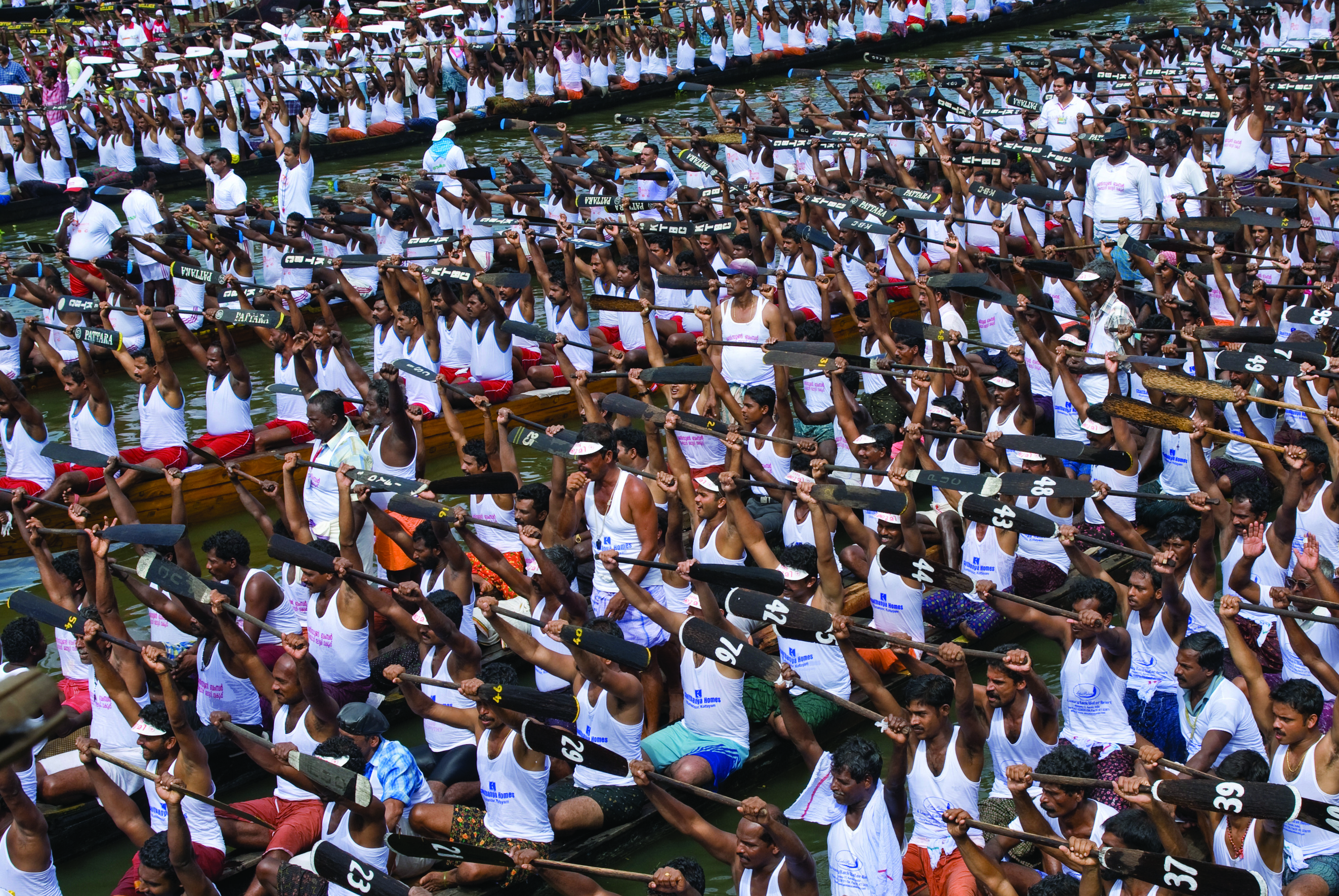
The Pamba River at dawn before race day — boats adorned with silk umbrellas and brass decorations, rowers in formation. © Kerala Tourism Department
What began as a ceremonial escort has continued for more than 400 years, now recognised as Kerala's oldest snake boat race. It is held on the Moolam nakshatra (star) of the Malayalam month of Midhunam — typically falling in late June or early July. The race is intimately tied to the Champakkulam Sree Krishnaswamy Temple, and the festivities begin with temple rituals before the boats enter the water.
The Race Itself
The Sound, the Rhythm, the Spectacle
Nothing prepares you for the scale of a chundan vallam in motion. These snake boats — sleek, low-slung and up to 100 feet long — carry more than 100 rowers, and when they move together they do not seem like individual men rowing but like a single organism surging through the water. The oars rise and fall in absolute unison, driven by the rhythm of vanchipattu — the ancient boat songs of Kerala's backwaters.
"The vanchipattu is not a song you hear — it enters you through your chest. The drum, the water, a hundred oars cutting in perfect time. You feel it before you understand it."
— Traditional festival account, Champakkulam Moolam Vallam KaliVanchipattu are a class of Malayalam folk poetry specifically composed for rowing. They have two purposes: to synchronise the oar strokes of over a hundred rowers into one fluid motion, and to invoke divine blessing and competitive fire simultaneously. The lead singer calls, the rowers answer, and the cadence quickens as the race reaches its climax.
The riverbanks pack with villagers hours before the first race. Temporary bamboo pavilions line the water. Families spread out on the grassy embankments, children perched on shoulders. The air smells of fried snacks, marigold garlands and the particular mineral scent of the Pamba in the monsoon. Then the boats appear — tall banners, silk parasols, the prow carved into a cobra's raised hood — and the crowd erupts.
Cultural Significance
More Than a Race — A Living Heritage
Kerala hosts dozens of snake boat races between June and September, the most internationally famous being the Nehru Trophy Boat Race at Punnamada Lake, Alappuzha. But Champakkulam holds a different kind of reverence. Where the Nehru Trophy is a grand sporting spectacle with stadium seating and national broadcast, the Champakkulam Moolam Vallam Kali is an act of worship that happens to involve racing.
The entire village participates — not as spectators alone, but as hosts. Families prepare special meals. The temple conducts all-night ottu recitations. Boat owners polish their vessels for weeks in advance, re-applying the traditional black lac that waterproofs the jackwood hull. The rowers fast and pray before taking their seats. The race is nested inside a deeper ritual context that no trophy or prize money can replicate.
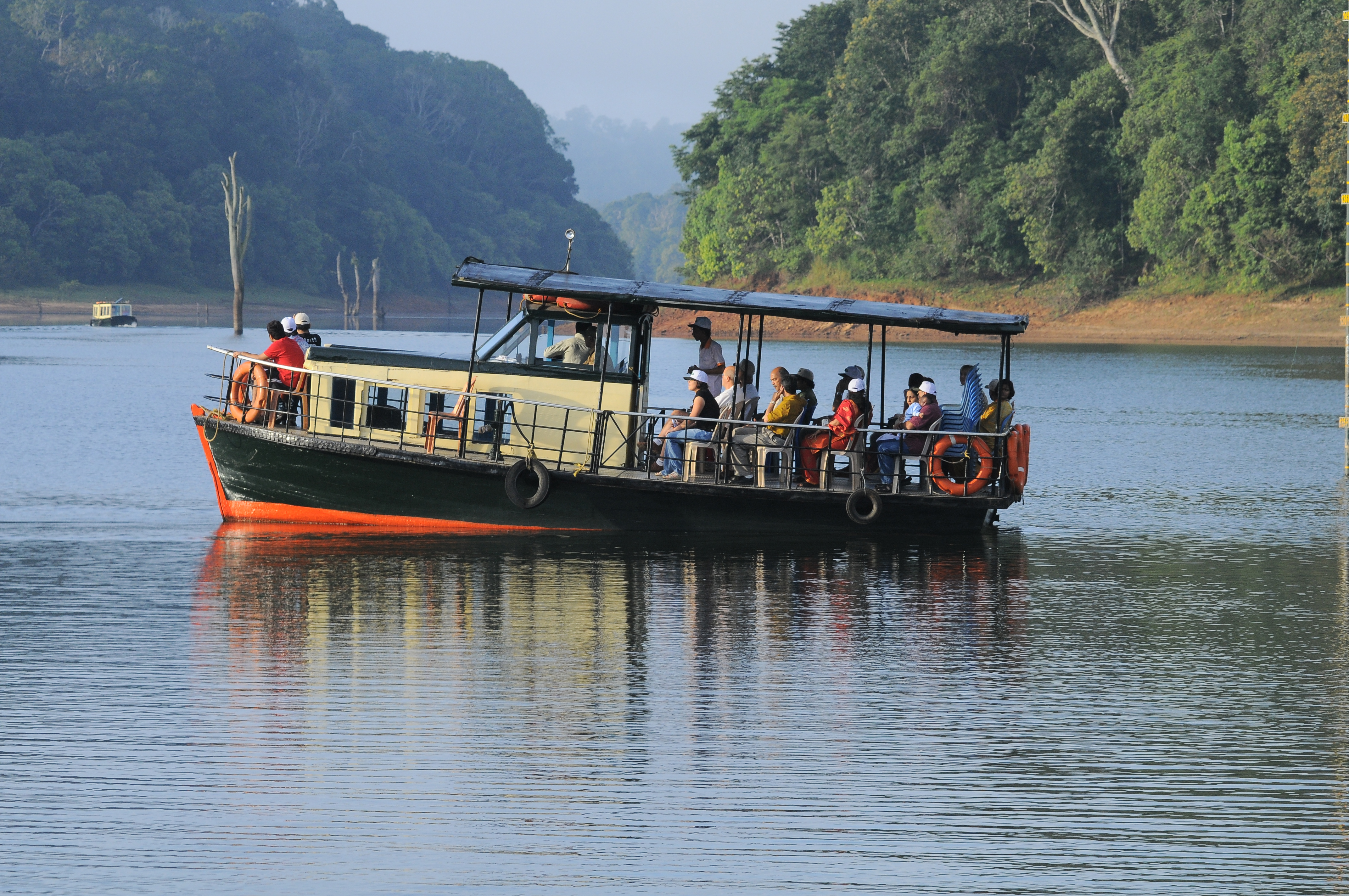
Kerala's backwater heritage: the same river culture that gave rise to the Champakkulam race continues in daily life along the Pamba and Vembanad canal systems.
There is also an ecological dimension. The Pamba River — one of Kerala's three major rivers — runs through a landscape of paddy fields, coconut groves and wetland ecosystems that have co-evolved with human settlement for millennia. The boat race culture is inseparable from that landscape. The same waterways that once transported rice harvests, temple deities and trading goods now carry the snake boats. To attend the race is to enter a living ecology of culture and water.
🛶 Bring a Piece of the Backwaters Home
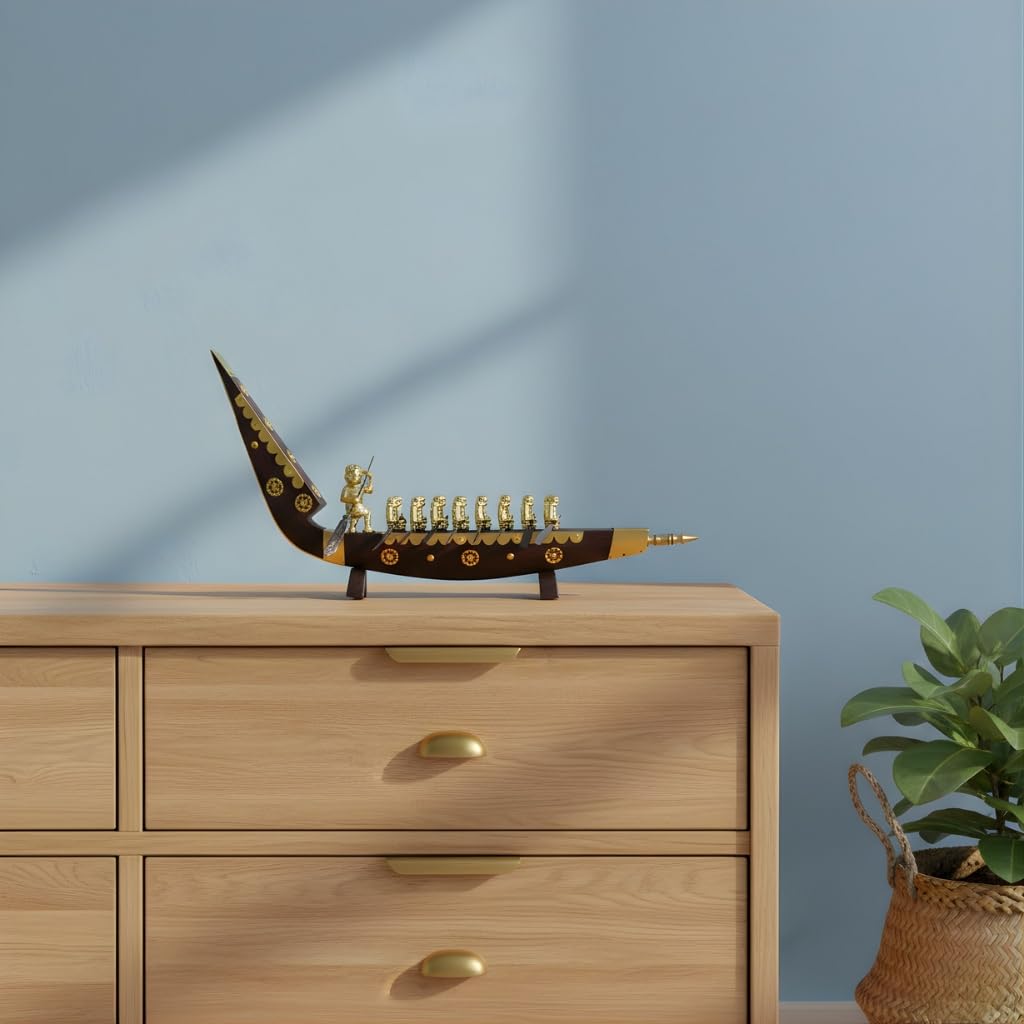
Affiliate link — we may earn a commission at no extra cost to you.
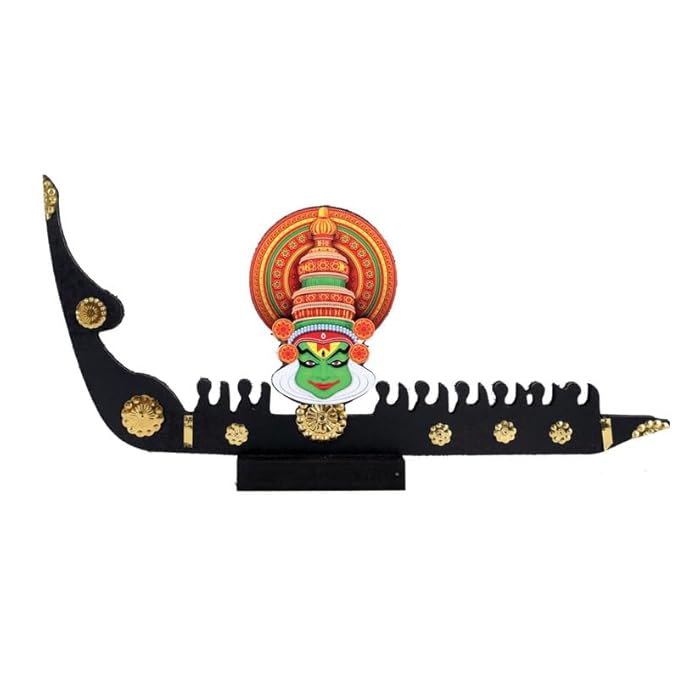
Affiliate link — we may earn a commission at no extra cost to you.
Plan Your Visit · 2026
Essential Travel Guide
- 2026 Date Monday, 29 June 2026 (Moolam star, Midhunam)
- Venue Pamba River, Champakulam, Alappuzha District, Kerala
- Timing Races from approx. 9:00 AM — late afternoon
- Entry Free (public riverbanks); paid pavilion seating available
- Nearest Airport Cochin International Airport (~85 km)
- Nearest Town Alappuzha (~15 km); taxi / ferry connections
- Best Viewpoint Arrive before 8 AM to secure a riverbank spot
- Language Malayalam; local guides available in English
Getting There
Champakkulam sits about 15 km south of Alappuzha town on the Pamba River. The nearest international gateway is Cochin International Airport (approximately 85 km), from which taxis take around 2 hours. Thiruvananthapuram Airport is approximately 160 km to the south. From Alappuzha town, local buses run to Champakkulam throughout the day, and autorickshaws are plentiful. For an atmospheric approach, board a public ferry from Alappuzha boat jetty — the waterway route offers its own slow, extraordinary spectacle as backwater life unfolds on either bank.
Where to Stay
Alappuzha town is the natural base, offering a full spectrum from backpacker homestays (₹600–1,200/night) to boutique heritage hotels and luxury resort properties. For the most memorable experience, book a traditional houseboat docked along the Pamba River — waking on the water on race morning, when mist still sits low over the canal and the first distant drumbeats carry across the surface, is something you will not forget easily. The 2026 race falls on June 29 — book accommodation by April at the latest, as race weekend fills quickly.
What to Eat
Race day food stalls set up along the riverbank from dawn. Look for karimeen pollichathu (pearl spot fish roasted in banana leaf), kappa and meen curry (tapioca with fish curry), fresh pazham pori (banana fritters) and tender coconut water. The village itself hosts community meals on race day — if a family invites you, accept.
Practical Tips
Arrive by 7:30 AM for a good riverbank position — by 9 AM the embankment is several rows deep. Carry water, sunscreen and a light rain cover (this is peak monsoon). Dress modestly near the temple. Photography is welcome on the riverbanks but seek permission before entering any ritual spaces. The village has limited ATMs — carry sufficient cash for food, transport and any crafts you wish to purchase.