The Sacred Ecology of Wellness: A Comprehensive Analysis of Yoga Training and Sustainable Tourism in Kerala
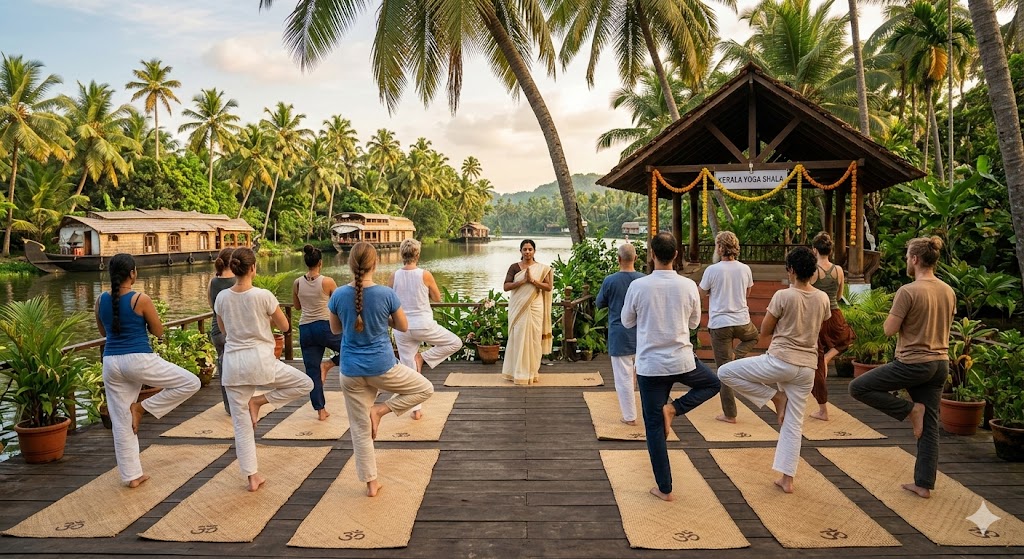
(Image generated by AI)
The state of Kerala, situated on the southwestern coast of the Indian subcontinent, represents a rare geographical and cultural synthesis where ancient spiritual traditions and contemporary ecological consciousness converge. Historically recognized as the cradle of Ayurveda, Kerala has steadily evolved into a global epicenter for professional yoga education and transformative travel. For a platform such as keralanaturevibes.com, which focuses on eco-tourism, understanding the nuanced relationship between the physical landscape of the region and the metaphysical journey of the yoga practitioner is essential.
This analysis examines the infrastructure of yoga training in Kerala, the symbiotic relationship between yoga and traditional Ayurvedic systems, and the strategic frameworks necessary for navigating this wellness sector in 2025. Rather than treating yoga as a commodified activity, Kerala presents it as a lived discipline rooted in land, climate, and cultural memory.
The Cultural and Ecological Convergence: A Humane Perspective on Wellness
The hospitality ethos of Kerala—often encapsulated in the phrase “God’s Own Country”—is grounded in a humane philosophy that views the traveler not merely as a consumer, but as a guest within a sacred ecological system. This worldview is central to sustainable tourism, as it cultivates responsibility and reverence toward the land. Yoga in Kerala is not an isolated physical practice; it is an extension of the state’s long-standing respect for nature and the interconnectedness of life.
This humane orientation is shaped by ethical principles such as Ahimsa (non-violence) and Seva (selfless service), which guide both the operation of wellness institutions and the interactions between local communities and international practitioners. These values influence daily routines, dietary practices, architectural choices, and teaching methodologies.
The landscape itself functions as a silent instructor. The Sahyadri Mountains—also known as the Western Ghats—offer a high-altitude, temperate environment conducive to meditation, introspection, and philosophical study. In contrast, Kerala’s coastal regions, shaped by cliff formations and prana-rich ocean breezes, provide a dynamic energetic field well-suited for intensive Hatha and Vinyasa practices. This geographical diversity enables a spectrum of training environments aligned with distinct energetic needs.
| Geographical Zone | Environmental Profile | Primary Wellness Alignment |
|---|---|---|
| Coastal cliffs (Varkala / Kovalam) | High humidity, maritime air, dynamic solar energy | Hatha yoga, Vinyasa, pranic healing sessions |
| Backwater Networks (Alleppey / Kumarakom) | Low-lying waterways, tropical stillness | Restorative yoga, mindfulness, meditation |
| Highland Forests (Wayanad / Thekkady) | High biodiversity, mist-covered peaks, temperate climate | Nature immersion, silence retreats, tribal wisdom |
| Foothills (Neyyar Dam / Palakkad) | Dense flora, freshwater proximity | Traditional ashram life, disciplined Hatha practice |
The Architecture of Mindfulness: Eco-Ashrams and Sustainable Design
In Kerala’s yoga training ecosystem, architecture is considered an extension of pedagogy. The emergence of the “eco-ashram” reflects the understanding that a practitioner’s environment directly influences mental clarity, physical balance, and spiritual receptivity. These spaces are designed not merely for accommodation, but for energetic harmony.
Institutions such as Lumŭma Yoga Village in Varkala exemplify this approach by integrating traditional Vaastu principles with sustainable building practices. Structures are crafted from natural materials believed to possess intrinsic healing properties, transforming the built environment into an active participant in the learning process.
Technical construction methods often employ mud and clay bricks infused with medicinal herbs, hibiscus flowers, flax seed oil, and brown rice husk. In many cases, golden clay sourced from the hills of Wayanad is added for thermal regulation and structural integrity. These materials naturally maintain cool interior temperatures during humid seasons while creating walls that are perceived to emit calming vibrations.
Complementary design elements—such as mattresses made from compressed coconut coir and handcrafted wooden beds—ensure that even rest and sleep remain aligned with natural rhythms. This architectural philosophy supports local artisans, preserves traditional construction knowledge, and significantly reduces the carbon footprint compared to concrete-based resort infrastructure.
Professional Yoga Pedagogy: Comprehensive Teacher Training in Kerala
Kerala has emerged as a global hub for professional yoga education, particularly for programs aligned with Yoga Alliance standards. Unlike short-term commercial certifications, Kerala’s training culture emphasizes discipline, philosophical grounding, and embodied learning.
Leading institutions offer multi-tiered certification programs designed to cultivate both technical proficiency and ethical responsibility. These programs are predominantly residential, ensuring that students live the yogic principles continuously rather than encountering them as isolated classroom concepts.
Levels of Certification and Curriculum Structure
| Training Tier | Typical Duration | Primary Focus Areas | Expected Outcome |
|---|---|---|---|
| 100-Hour YTTC | 10–12 days | Foundational asanas, basic pranayama, mantra chanting | Deepened personal practice, introduction to teaching |
| 200-Hour YTTC | 21–28 days | Hatha/Ashtanga basics, anatomy, yoga philosophy | Certification as Registered Yoga Teacher (RYT 200) |
| 300-Hour YTTC | 28–30 days | Advanced asanas, biomechanics, teaching methodology | Intermediate-level professional instructor |
| 500-Hour YTTC | 55–60 days | Comprehensive integration of all training levels | Expert practitioner and teacher trainer |
Curricula at institutions such as Kerala Yogashala and Rishikul Yogshala include advanced modules like the “Asana Clinic,” where the biomechanics of each posture are critically analyzed to prevent injury and ensure sustainable teaching practices. Integration of Vedanta and Ayurveda enables students to understand how yogic practice interacts with the body’s internal energies, or doshas.
Leading Institutions and Their Unique Specializations
Kerala Yogashala (Varkala)
Located on the cliffs of Varkala, Kerala Yogashala is recognized for its immersive “Life Transforming” programs that integrate Hatha, Vinyasa, and Ashtanga yoga. A defining strength of the institution lies in its Ayurvedic integration, where experienced physicians guide students in adapting practice to individual constitutions.
The center serves carefully designed Sattvic meals prepared by Ayurvedic chefs. These meals are intentionally light and nourishing, supporting high energy levels during intensive physical and meditative training.
Rishikul Yogshala (Varkala and International Locations)
Rishikul Yogshala is widely regarded as one of the most trusted names in professional yoga education. Its Kerala campus emphasizes multi-style exposure, blending traditional Hatha with dynamic Vinyasa systems. A cornerstone of its pedagogy is the “Alignment and Adjustment” module, which trains students in safe, ethical, and effective hands-on teaching.
Sivananda Yoga Vedanta Dhanwantari Ashram (Neyyar Dam)
Representing the traditional Gurukula system, this ashram follows a highly disciplined daily routine centered on Satsang, Seva, and devotional living. Training is structured around the classical five points of yoga: proper exercise, proper breathing, proper relaxation, proper diet, and positive thinking with meditation.
The Ayurvedic Symbiosis: Integrating Yoga and Traditional Healing
The relationship between yoga and Ayurveda in Kerala is not merely complementary; it is foundational. Within the Keralite wellness tradition, yoga functions as a therapeutic discipline for the mind and consciousness, while Ayurveda provides the biological grounding and detoxification necessary for sustained spiritual and physical transformation. This symbiosis is most clearly observed in specialized Panchakarma retreats and the seasonal healing regimen known as Karkidaka Chikitsa.
Rather than treating yoga and Ayurveda as parallel systems, Kerala integrates them into a single continuum of care. Yogic discipline stabilizes mental clarity and breath regulation, while Ayurvedic interventions purify the internal systems, allowing deeper receptivity to meditative and postural practices.
Biological Mechanisms of Post-Treatment Yoga
Following intensive Ayurvedic therapies such as Abhyanga (therapeutic oil massage) and Shirodhara (the continuous pouring of medicated oil on the forehead), the body enters a heightened state of receptivity. During this phase, tissues are softened, circulation is activated, and detoxification pathways are opened.
Practitioners at established healing centers advise that specific restorative yoga sequences are essential after such treatments. Gentle movement encourages the deeper penetration of medicated oils, supports lymphatic drainage, and assists in the elimination of metabolic toxins known as Ama.
This post-treatment yoga phase is particularly crucial after Panchakarma therapies, where the internal channels (Srotas) have been cleared and must be re-stabilized through mindful, non-strenuous movement.
| Yoga Practice | Ayurvedic Target | Physiological Rationale |
|---|---|---|
| Nadi Shodhana (Breathing) | Balancing the nervous system | Harmonizes Vata dosha and improves oxygenation |
| Supta Baddha Konasana | Digestive wellness | Supports Agni and releases abdominal tension |
| Bhramari (Bee Breath) | Mental calm | Soothes sensory organs after detoxification |
| Setu Bandhasana (Bridge) | Lymphatic flow | Opens the chest and promotes lymph movement |
The Monsoon Advantage: Karkidaka Chikitsa
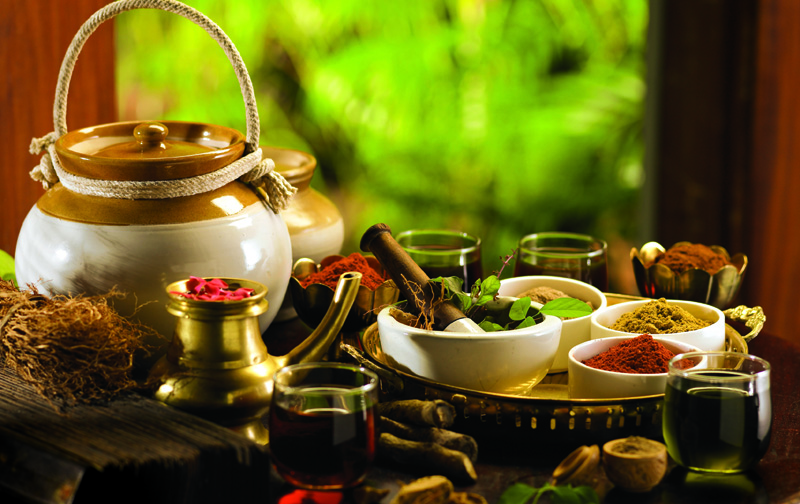
Credit: Department of Tourism, Government of Kerala
In Kerala’s Ayurvedic tradition, the monsoon season—spanning roughly from June to September—is considered the most effective period for rejuvenation therapies. The atmosphere during this time remains cool, humid, and stable, preventing dryness of the skin and constriction of bodily channels.
From an Ayurvedic standpoint, this climatic consistency keeps the Dhathus (body tissues) supple and the pores naturally open, allowing maximum absorption of medicinal oils. As a result, treatments administered during the monsoon penetrate more deeply and act more efficiently.
Karkidaka Chikitsa is a structured seasonal regimen that typically includes:
- Detoxification using medicated oils to eliminate heat and toxins accumulated during summer
- Karkidaka Kanji, a medicated porridge made with Njavara rice and multiple medicinal herbs to strengthen immunity and digestion
- Mental clarity supported by the natural acoustics of rainfall, which function as an organic form of sound therapy conducive to meditation
For budget-conscious travelers, the monsoon season also offers reduced retreat costs while delivering the most authentic and therapeutically effective healing environment.
Geographical Hubs and Unique Yoga Experiences
Kerala’s ecological diversity enables specialized yoga experiences that extend beyond conventional studio practice. These experiential formats appeal strongly to eco-tourists seeking immersion in natural environments rather than enclosed wellness resorts.
Houseboat Yoga in the Backwaters
In the backwaters of Alleppey and Kumarakom, yoga is practiced aboard traditional wooden houseboats known as Kettuvallams. Practicing on gently moving water requires heightened balance and core awareness, transforming even simple asanas into exercises in mindful stability.
The rhythmic movement of water, combined with the ambient sounds of birdlife and palm-lined canals, significantly reduces stress markers such as cortisol. These retreats are particularly suited for digital detox programs and stress recovery.
Highland Yoga and Biodiversity in Wayanad
In Wayanad, yoga training is frequently integrated with nature-immersion experiences. Programs often include guided forest walks, visits to Neolithic caves, and explorations of spice plantations.
The highland climate—cool, oxygen-rich, and largely free from urban pollution—is especially beneficial for individuals with respiratory sensitivities. The pedagogical emphasis here is on grounding practices and earth-energy alignment, supported by organic farm-to-table nutrition.
| Location | Unique Yoga Attribute | Recommended Activity Pairing |
|---|---|---|
| Alleppey | Floating meditation environments | Sunset backwater cruises and village walks |
| Varkala | Coastal prana-rich practice | Cliff-top sunrise yoga and surf-yoga sessions |
| Wayanad | Biodiversity immersion | Spice plantation tours and Neolithic cave treks |
| Munnar | High-altitude stillness | Tea-garden meditation and mountain hiking |
Plan Your Trip: A Comprehensive Guide to Kerala Wellness Logistics
Planning a wellness journey to Kerala requires navigating seasonal variations, cultural expectations, and an increasingly digital travel ecosystem. This section provides a practical framework to help travelers align their yoga or Ayurvedic retreat with climate, sustainability goals, and ethical travel practices.
Timing Your Visit: The Month-by-Month Wellness Calendar
Selecting the appropriate month plays a decisive role in the success of a yoga immersion or Ayurvedic detox program. Climate, humidity, and seasonal rhythms directly influence bodily receptivity and mental focus.
| Season | Months | Climate Impact on Yoga | Strategic Advantage |
|---|---|---|---|
| Winter (Peak) | October – February | Clear skies, low humidity (18°C – 29°C) | Ideal for intensive training and cultural sightseeing |
| Summer | March – May | Hot and humid (25°C – 35°C) | Suitable for Kapha-balancing practices and budget travel |
| Monsoon | June – September | High rainfall, lush greenery, humid atmosphere | Optimum period for Ayurveda, deep detox, and rejuvenation |
January is particularly suited for those seeking group energy and community-based retreats, while August offers the emerald landscapes of the monsoon ideal for quiet introspection. During peak winter months, travelers are advised to reserve therapies, accommodation, and sunrise yoga sessions at least three months in advance.
Utilizing Digital Platforms for Sustainable Travel
Modern wellness travelers increasingly rely on digital platforms not only for convenience but also to ensure their choices align with environmental and ethical values. When used strategically, these platforms can significantly enhance responsible travel planning.
Booking.com and Sustainable Accommodation Choices
Accommodation plays a critical role in wellness travel. Platforms such as Booking.com offer filters that help identify properties committed to sustainability. Travelers are encouraged to look for eco-certified stays and properties recognized for reduced water usage, renewable energy adoption, and waste management practices.
Choosing such accommodations ensures comfort while minimizing environmental impact, particularly in sensitive ecological zones such as backwaters, coastal cliffs, and forested highlands.
Tripadvisor and Community-Verified Green Practices
User-generated insights remain invaluable for wellness planning. Tripadvisor allows travelers to evaluate retreats and hotels based on real-world experiences, including feedback on sustainability, food quality, and staff engagement with local communities.
In recent years, travelers have increasingly documented eco-conscious practices such as composting, plastic reduction, and sourcing ingredients locally—details that often determine the authenticity of a wellness retreat.
Viator for Curated Wellness and Retreat Experiences
For travelers seeking structured wellness programs, platforms like Viator provide access to professionally curated retreats and healing experiences. Programs such as guided meditation and yoga retreats in Kerala combine accommodation, instruction, and therapeutic sessions into a cohesive experience.
Such offerings are particularly valuable for first-time visitors who prefer a well-structured introduction to Kerala’s wellness traditions without logistical uncertainty.
Essential Logistics: Visas, Transport, and Etiquette
Most international visitors to India require an electronic visa, which should be applied for at least two weeks before departure. Once in Kerala, transport infrastructure is well developed and relatively low-carbon compared to many global destinations.
- Local transport options include taxis and rented scooters in towns such as Varkala, while long-distance travel is efficiently handled by the state’s scenic railway network.
- Ashram etiquette emphasizes modest dress, with shoulders and knees covered. Light-colored clothing is often preferred as it reflects principles of simplicity and purity.
- Footwear must be removed before entering spiritual or residential spaces. Photography should only be done with explicit permission.
- Most traditional centers follow a vegetarian and alcohol-free lifestyle, which supports both ethical values and physiological detoxification.
Ethical Travel and Community Impact: The Seva of Tourism
A defining feature of Kerala’s eco-wellness tourism is the principle of Seva, or selfless service. Many yoga retreats and homestays operate in close partnership with local communities, ensuring that tourism revenue circulates locally.
Several centers actively employ women from government-supported self-help initiatives, while others contribute directly to village education, healthcare, or agricultural sustainability. Choosing such retreats transforms the traveler from a passive consumer into a participant in a living social ecosystem.
This humane approach deepens the psychological and emotional benefits of yoga practice. When travelers recognize their presence as a positive force, the conditions for genuine relaxation, trust, and inner work are significantly enhanced.
Synthesis and Future Outlook for Kerala Yoga Tourism
The future of yoga tourism in Kerala lies in balancing ancient precision with modern accountability. As global travelers become more environmentally aware, demand will increasingly favor retreats that demonstrate transparency, certification, and genuine community integration.
For platforms such as keralanaturevibes.com, the strategic path forward includes authentic storytelling, collaboration with experienced Ayurvedic physicians and Yoga Acharyas, and guiding readers toward verified eco-conscious travel choices across trusted booking platforms.
Kerala remains a sanctuary because it has resisted the complete commercialization of its spiritual heritage. By preserving the slow rhythms of the backwaters and the disciplined silence of its ashrams, the state offers a rare antidote to modern stress. Whether through advanced teacher training or a short monsoon rejuvenation retreat, yoga in Kerala continues to embody a reciprocal relationship between practitioner and land—one that heals both the individual and the environment.
References
- Ambili, K. (2016). “A Study on the Impact of Yoga Tourism on Tourists Visiting Kerala,” Atna Journal of Tourism Studies, Vol. 11(1), pp. 59–69. DOI: https://doi.org/10.12727/ajts.15.5.
- “Ayurveda-wellness tourism sector in Kerala seeks help to achieve full potential,” The New Indian Express (25 May 2024).
- “Yoga for Well-being,” Kerala Tourism Official Newsletter Issue No. 321 (May 2020) – overview of yoga & wellness initiatives by Department of Tourism, Govt. of Kerala.
- “Yoga | #GetGoing | #Kerala365 | Kerala Tourism” – campaign overview highlighting yoga tourism and integration with Ayurveda.
- Government of Kerala, “Tourist Statistics – Evaluation of Tourism Products & Services” – distribution of Kerala tourism products including Yoga and Ayurveda/Yoga/Spas in tourist attraction data.