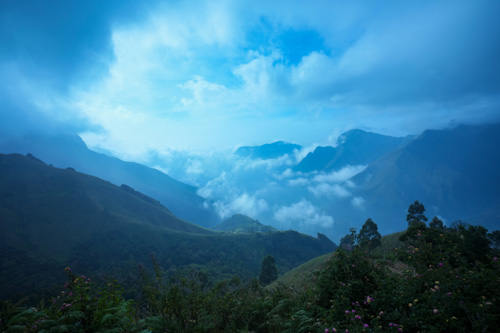
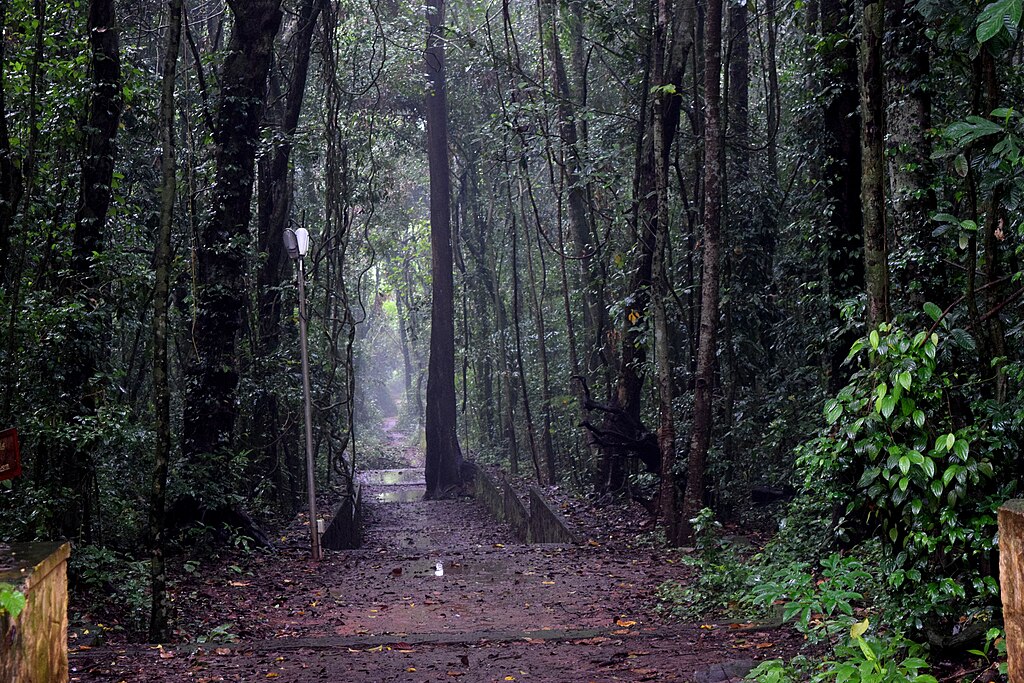
Kakkayam
Kerala, often celebrated for its lush landscapes and tranquil waterways, stands uniquely positioned at the forefront of global conservation efforts, having seamlessly interwoven its vast natural heritage with an internationally recognized commitment to sustainable travel. Situated between the formidable ridges of the Western Ghats and the expansive Arabian Sea, this sliver of land is not merely a destination for scenery; it is a meticulously governed ecosystems where human welfare and ecological preservation are inseparable. The state’s approach to nature tourism is defined by depth of experience, expert guiding, and a pioneering policy framework that prioritizes the health of the habitat and the quality of life for its local communities.
The ecological distinctiveness of Kerala is a direct result of its geography, a dramatic collision zone that generates staggering biodiversity. This region supports highly specialized habitats, defining Kerala as a destination of premier scientific and conservation value.
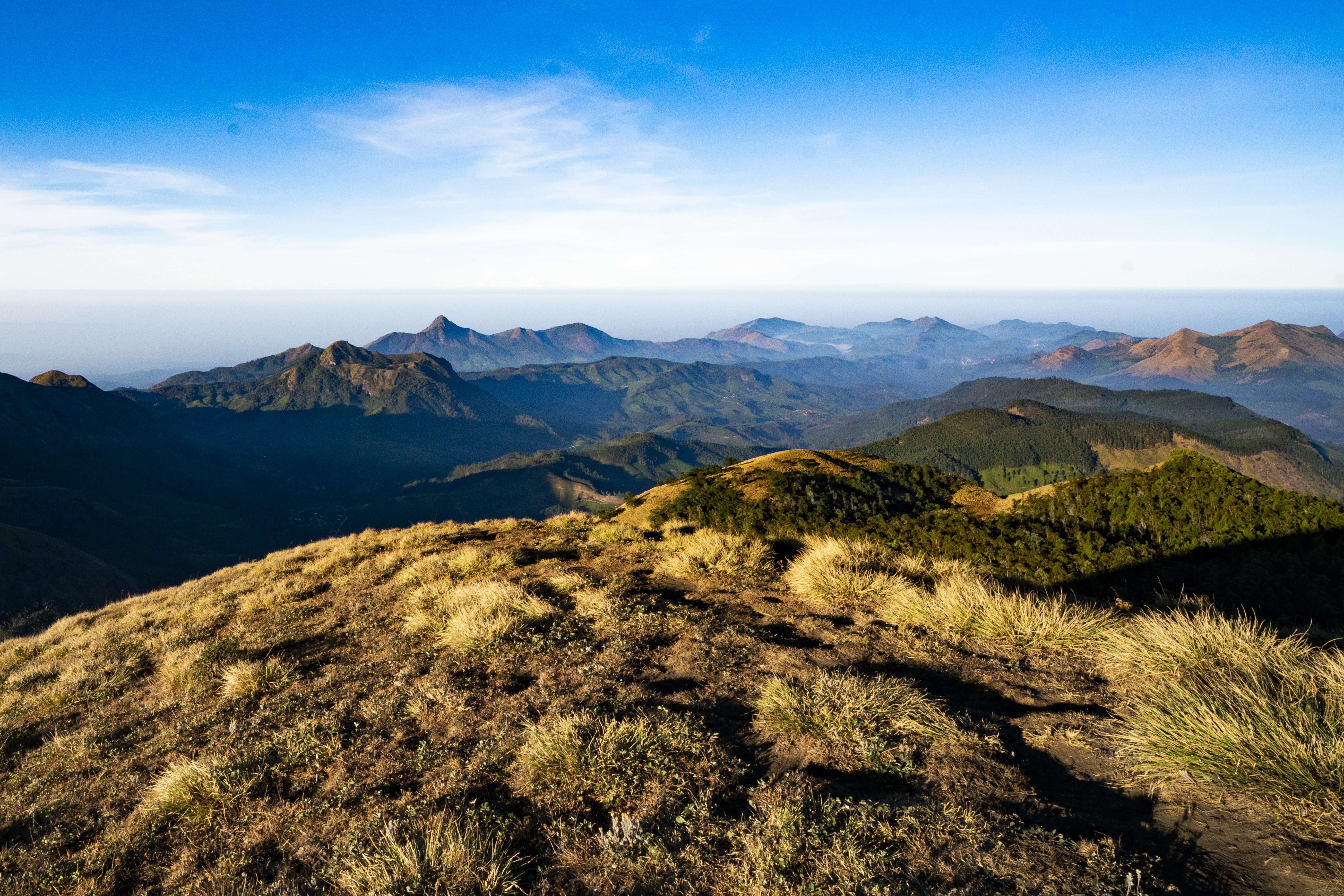
The Western Ghats mountain range acts as the ecological backbone of Kerala. This ancient chain, recognized as a UNESCO World Heritage Site since 2012, is globally classified as a biodiversity hotspot 1. Its importance stems from its physical interaction with the climate: the Ghats obstruct the eastward flow of rain-bearing monsoon winds originating from the Arabian Sea, resulting in profound rainfall along the western coast. This phenomenon creates dramatically different biomes within a short distance, leading to arid rain shadow regions on the leeward side toward the interior Deccan Plateau 1.
This climatic variability drives immense ecological wealth. The Western Ghats region is home to nearly 30% of all species of flora and fauna documented in India. Crucially, a significant majority of these species are endemic, meaning they are found nowhere else on Earth. The endemic count includes at least 325 species that are globally threatened 1. This exceptionally high degree of rarity and uniqueness elevates the region beyond mere scenic beauty; it forms the core intellectual property for specialized nature travel. For the discerning eco-Traveller, the opportunity to observe endemic bird species, rare amphibians, or specific botanical life 2 provides a highly specialized and justifiable motivation for travel, confirming Kerala's positioning in the premium eco-tourism market.
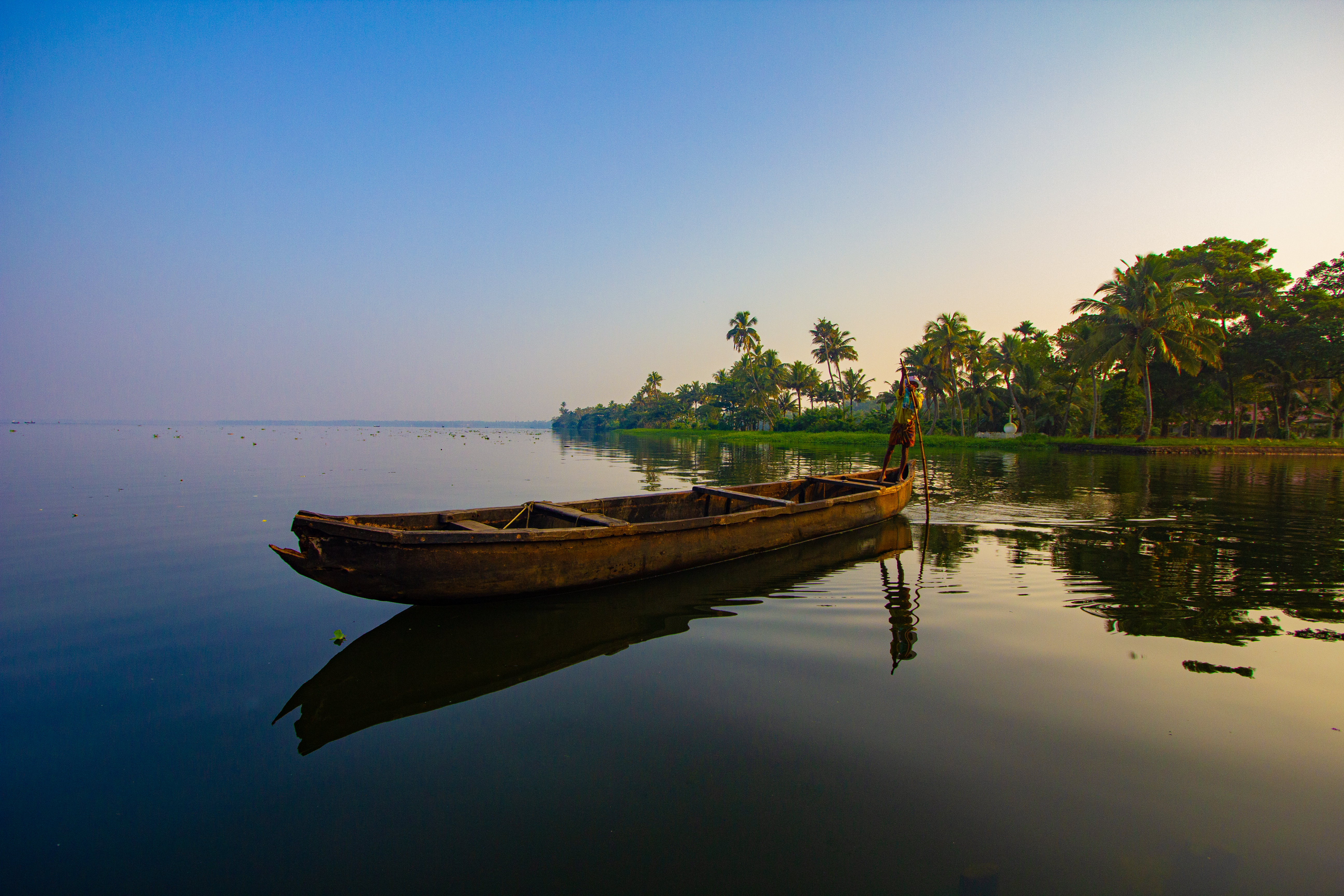
Complementing the forested highlands are the extensive aquatic realms of Kerala. The state is exceptionally rich in wetlands, which constitute approximately one-fifth of its total land area 4. These wetlands encompass a diversity of environments, including vast polders (reclaimed paddy fields), waterlogged areas, marshes, serene lakes, and the famed network of interconnected backwaters 4.
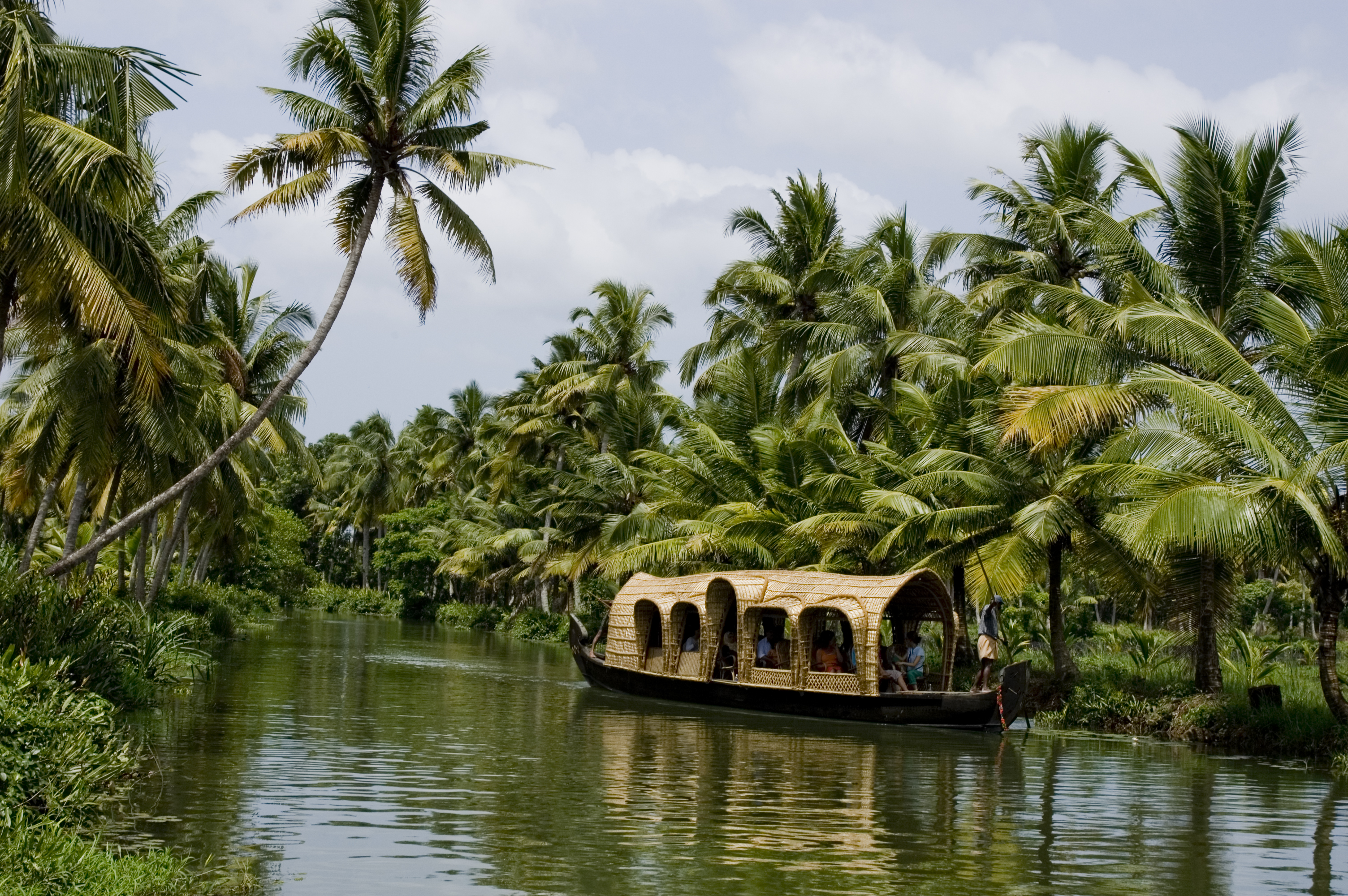
The backwaters are highly productive, yet delicately balanced, ecosystems. They sustain unique aquatic life, including crabs, frogs, mudskippers, otters, and various water birds such as terns, cormorants, and kingfishers 5. Palm trees, pandanus shrubs, and other leafy vegetation line the banks, adding a characteristic verdant hue 5. The ecological integrity of the backwaters is maintained through careful human engineering. A key example is the barrage constructed near Thanneermukkom, which acts as a barrier, preventing saltwater from the Arabian Sea from intruding deep inland. This preserves the freshwater environment, which is vital not only for the survival of the unique flora and fauna but also for extensive irrigation and paddy cultivation 5.
Valapattanam River, Kannur
Courtesy: Department of Tourism, Govt of Kerala
To fully grasp the specialized nature of Kerala’s ecology, one must look toward its most vulnerable and unique habitats, such as the Myristica Swamps. These swamps represent a primitive, evergreen freshwater ecosystems, confined to select areas of the Southern Western Ghats 4. They are characterized by the dominance of Myristica species, a genus of evergreen trees 6.
These swamps possess immense ecological significance, contributing critically to water conservation and significant levels of carbon sequestration 4. However, this habitat is vanishing, representing a highly threatened ecological community. Its existence was first formally documented in the 1960s, and today, this ecosystem is largely confined to approximately 53 small, isolated patches, notably within the Kulathupuzha and Anchal forests, and the Shenduruney Wildlife Sanctuary 7. Highlighting this specific, threatened habitat demonstrates a depth of knowledge that moves beyond conventional travel promotion, immediately establishing the authority of the visitor platform as one deeply concerned with genuine conservation priorities. Visiting locations near these areas, such as the planned eco-destination of Thenmala, indirectly supports the regional protective framework necessary for the survival of these essential forest wetlands.
Vattavada Village, Idukki
Courtesy: Department of Tourism, Govt of Kerala
| Ecosystem | Dominant Location | Key Ecological Significance | Conservation Status Note |
|---|---|---|---|
| Tropical Evergreen Forests | Western Ghats (Silent Valley, Periyar) | Global Biodiversity Hotspot; High endemism (30% of India's flora/fauna) | UNESCO World Heritage Site 1 |
| Backwaters & Wetlands | Alappuzha, Kumarakom, Kavvayi | Supports unique aquatic life (crabs, mudskippers); vital for irrigation and polders | Managed water salinity; focus on mangrove regeneration 5 |
| Myristica Swamps | Shenduruney/Kulathupuzha River Valleys | Primitive evergreen habitats; crucial for water conservation and carbon sequestration | Highly vulnerable, vanishing ecosystem 4 |
Kerala’s commitment to preserving its natural wealth is formalized through robust policy, transforming ecological concern from an ethical preference into an operational directive. This commitment is spearheaded by the Responsible Tourism (RT) Mission, a model that ensures tourism serves as a catalyst for local benefit and environmental protection.
Recognizing the immense potential of its natural and cultural assets, alongside the need to ensure development aligns with sustainable principles, Kerala initiated an action program for Responsible Tourism (RT) as early as 2007 9. This program involved extensive consultation across all stakeholder groups—policymakers, NGOs, industry professionals, environmentalists, and community leaders—to ensure that the action plan was participatory and comprehensive 9.
The official launch of the Kerala RT Mission in October 2017 established a nodal agency tasked with implementing these ideologies across the state 10. The core philosophy of the mission is dual-focused: to make places “better for people to live in and better places for people to visit” 10. This integration of community welfare with visitor experience defines the success of the Kerala model. The mission aligns its practices with the tenets of the Global Sustainable Tourism Council (GSTC) Criteria, ensuring that the state's sustainability promises are credible and measured by international governance standards 9.
The RT Mission operates on the principle of the triple bottom line, giving due weightage to environmental, social, and economic aspects 9.
Environmental Stewardship: The mission drives conservation through tangible actions. Initiatives include protecting sensitive ecosystems like sacred groves—small patches of indigenous forest protected by local communities—and organizing massive mangrove regeneration campaigns 8. Furthermore, the mission focuses heavily on pollution prevention, implementing large-scale waste management awareness drives and declaring specific sensitive areas, such as the Kumarakom bird sanctuary, as plastic-free zones 8. Establishing clean tourism standards and promoting eco-friendly alternatives, such as bamboo products and paper or cloth carry bags, are central components 8.
Economic Empowerment: The mission ensures that tourism revenues are distributed equitably, providing substantial economic benefits to the local population. This is achieved by promoting community involvement in service provision, ranging from homestays (like Bekal Homestay) to agri-tourism units 10. The government even offers financial assistance for community-based sustainable infrastructure, such as the construction of biogas plants for agri-tourism facilities 10. This focus on localization ensures that financial return directly fuels local entrepreneurship and livelihoods.
Socio-Cultural Preservation: Responsible Tourism extends to preserving the social fabric and cultural heritage. This involves promoting traditional art forms, local crafts, and ethnic cuisine 10. Concurrently, social awareness programs are conducted for the local community and industry stakeholders regarding the potential adverse social impacts of tourism, such as exploitation or child labor, providing guidance on how to avoid these ill-effects 11.
The village of Kumarakom, nestled on the shores of the backwaters, serves as a global benchmark for successful Responsible Tourism implementation. The community-based approach pioneered here has garnered significant international recognition. Kumarakom was conferred the prestigious UNWTO Ulysses Award for Innovation in Public Policy and Governance 8, the highest honor awarded by the United Nations World Tourism Organization. This marked the first time India figured on the list of UNWTO Award winners for such an initiative. Kumarakom has also received the National Award for Best Responsible Tourism Project and the Best Agri Tourism Village Award in 2024 8.
The success of Kumarakom is rooted in practical, grassroots accomplishments. Key efforts included making the destination a 'zero waste' area, regenerating backwater ecosystems through mangrove planting, and converting fallow land back into cultivable ground 8. Local residents were mobilized for mass awareness campaigns and clean drives. Promotion of organic farming and discouraging excessive pesticide use were critical successes 8. Today, local residents are deeply involved in homestays, bird-watching tours, and cultural heritage promotion, ensuring that tourism benefits are shared widely 12.
The continuous success of such policy frameworks provides immense brand credibility. By aligning with a destination that adheres to global governance standards and demonstrates measurable results in conservation and livelihood upliftment, travel services become partners in a proven, high-integrity mission. This framework elevates Kerala’s sustainability promise far beyond typical green marketing. While state-led initiatives set the structure, localized private-sector interventions remain essential. Efforts by organizations to create awareness among local communities and students to conserve threatened resources like Sacred Groves—which suffer from encroachment and non-degradable waste—demonstrate that sustainability is a continuous, community-level endeavor 11.
Kerala offers several flagship destinations that exemplify its commitment to balanced nature appreciation, each representing a unique phase in the evolution of its eco-tourism development.
Thenmala
Courtesy: Department of Tourism, Govt of Kerala
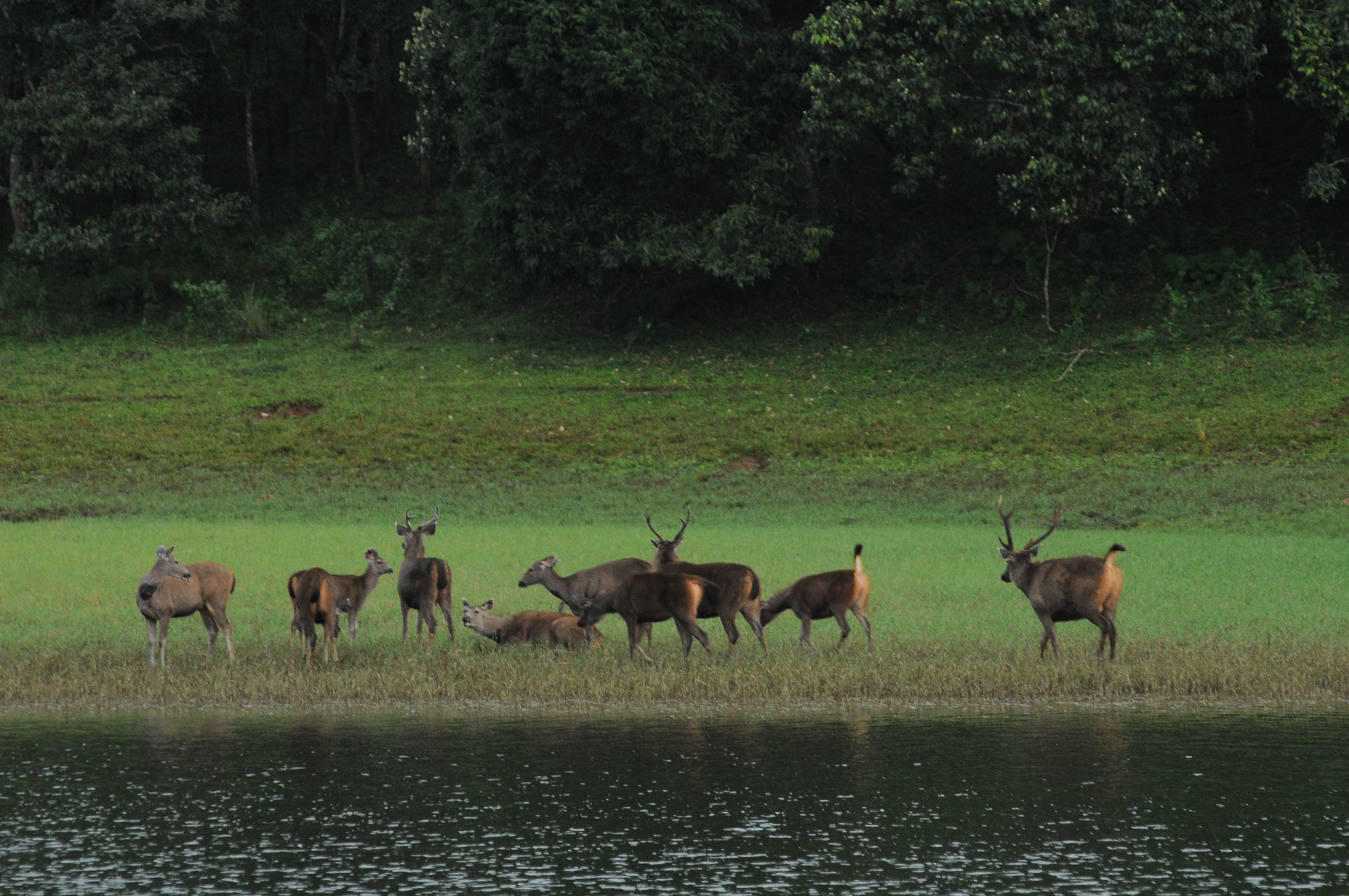
Thenmala holds a unique place in India’s environmental travel history, recognized as the country’s first planned eco-tourism destination 13. Located near the Shendurney Wildlife Sanctuary, this area leverages its rich forest and water resources to offer structured, controlled experiences. Visitors can enjoy trekking, hiking through dense forests, kayaking on the Thenmala Reservoir, and biological exploration at the Butterfly Safari and Deer Rehabilitation Center 13. Its proximity to the vanishing Myristica Swamps underscores the ecological sensitivity of this planned zone 7.
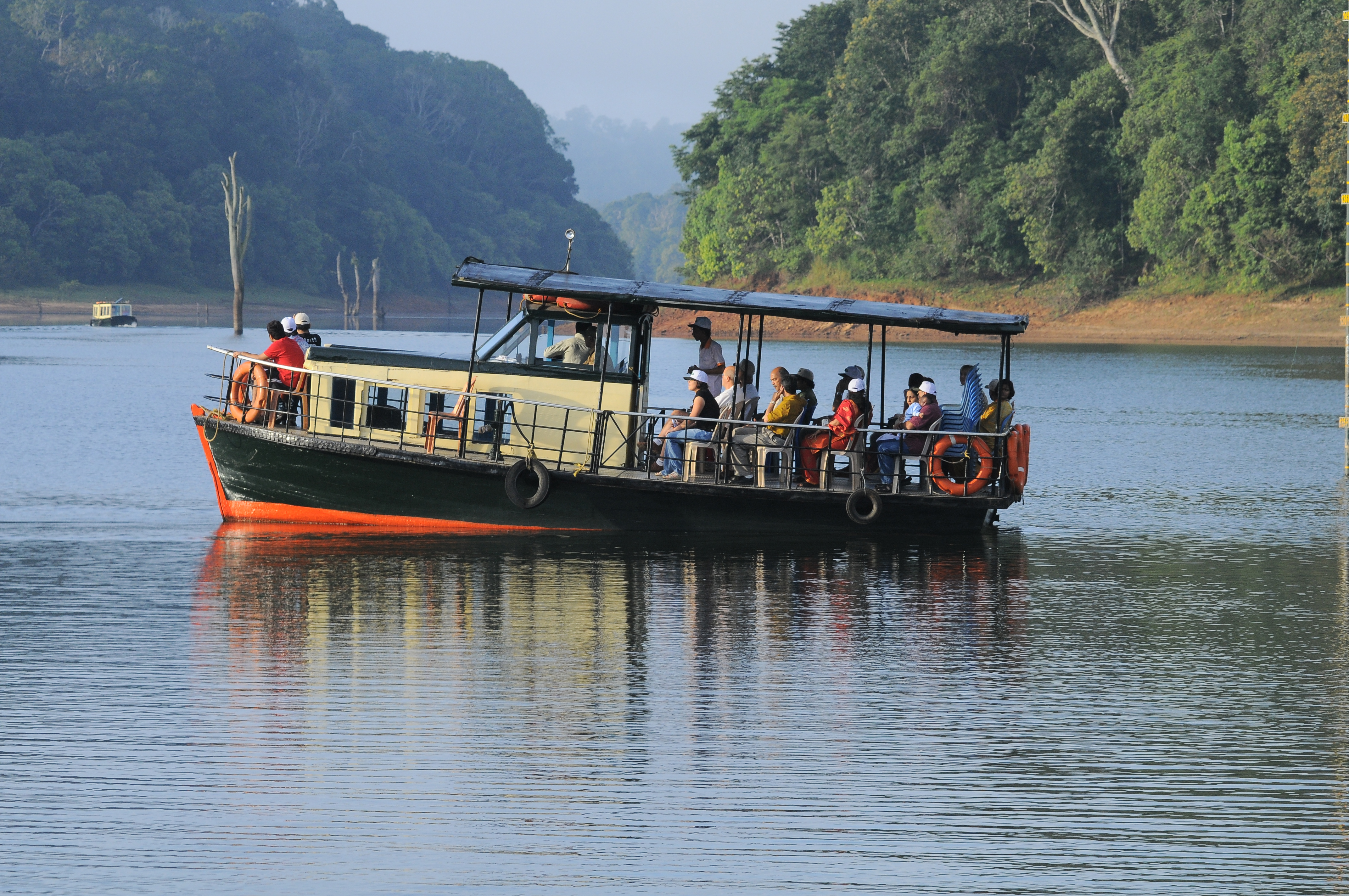
Periyar Wildlife Sanctuary, located in the deep recesses of the Western Ghats, is one of Kerala's most famous biodiversity zones. As one of the pilot sites for the Responsible Tourism initiative in 2008 9, Periyar developed mature, community-led programs. The destination is noted for silent bamboo rafting, guided nature walks, and the renowned “Tiger Trail” program 13. Many activities are staffed by former poachers rehabilitated as expert conservation guides, integrating community welfare directly into conservation.
Neyyar Safari Park
Courtesy: Department of Tourism, Govt of Kerala
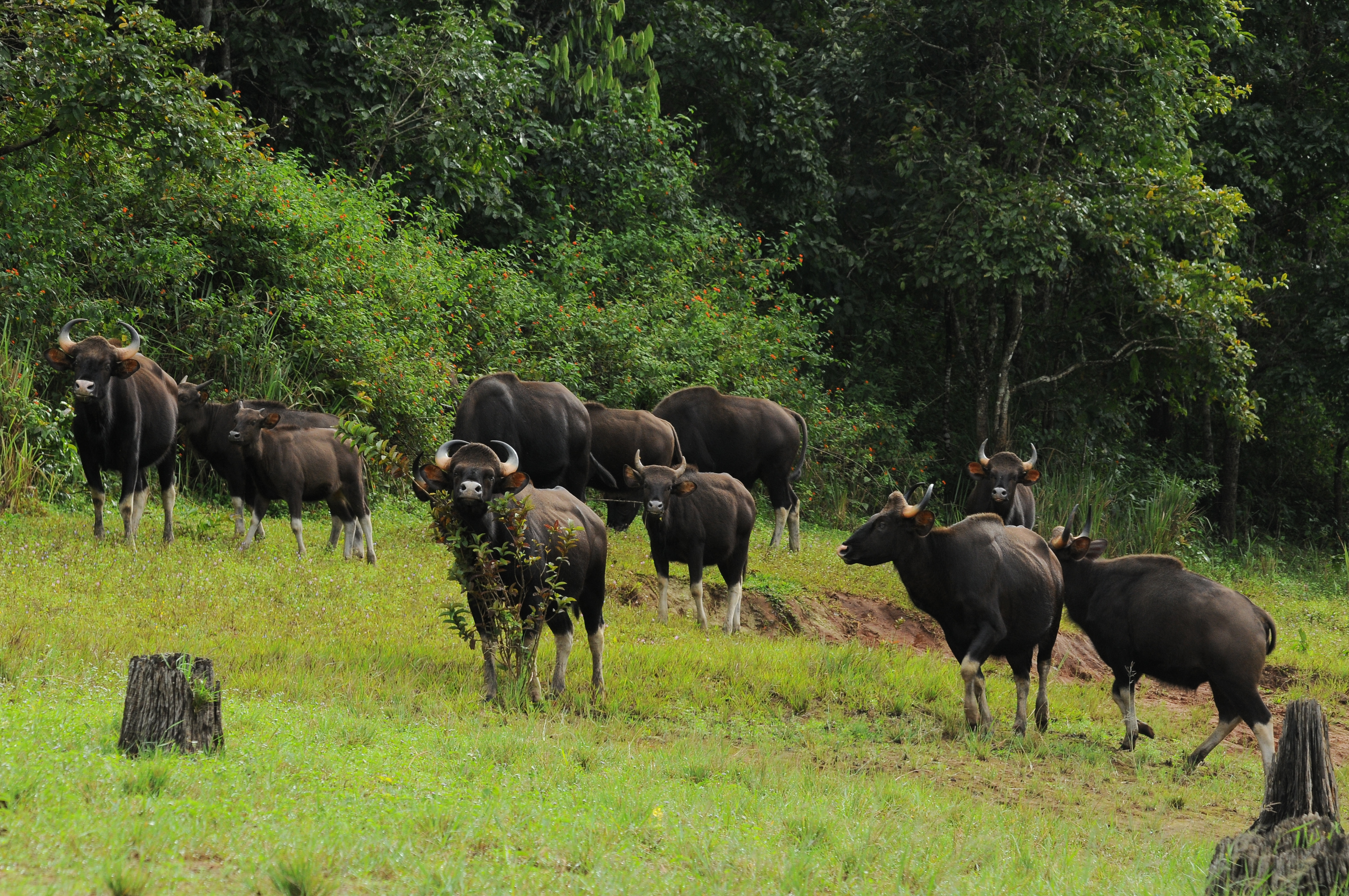
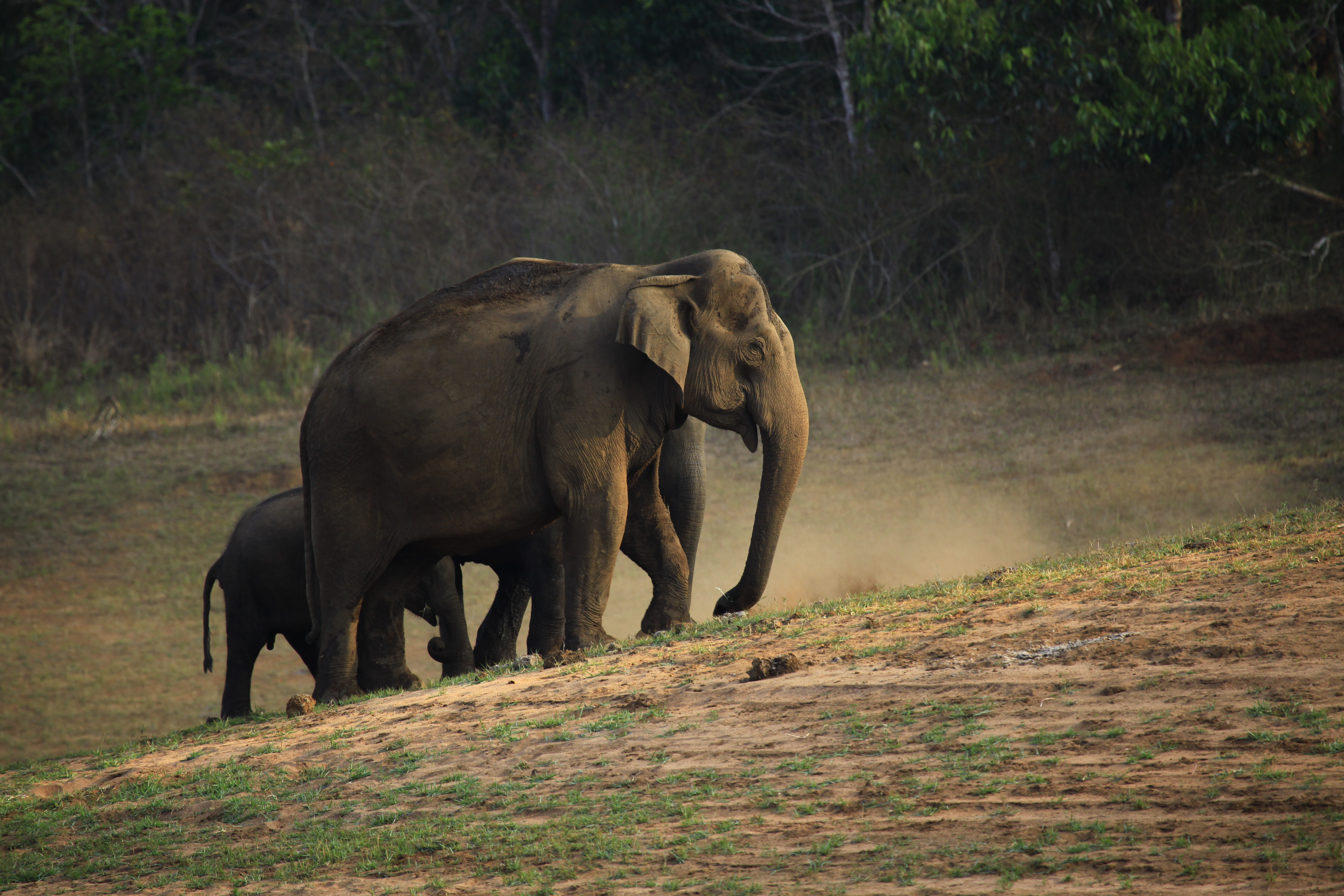
The region offers opportunities to observe elephants, bison (gaur), Malabar giant squirrels, lion-tailed macaques, and occasionally tigers 13.
Wayanad, another major RT pilot site, is known for its vast greenery, spice plantations, and wildlife reserves 9. Visitors may trek to Chembra Peak, offering panoramic views, explore the prehistoric petroglyphs of the Edakkal Caves, or take safaris through the Muthanga Wildlife Sanctuary 13.
For those seeking deeper immersion and truly low-density natural experiences, Kerala harbors several pristine destinations where access is controlled and the sense of untouched wilderness is paramount. These destinations offer high-value exclusivity, emphasizing quality of experience over volume.
Tucked deep within the Pathanamthitta district, Gavi has gained international renown, recognized by Alistair International as one of the world's top eco-tourism centers.14 Gavi operates on a sustainable travel model developed by the Kerala Forest Development Corporation (KFDC), which actively involves local people in conservation and hospitality services.14
The experience of Gavi is defined by its exclusivity. Entry is highly controlled and requires a prior permit secured from the Aangamuzhy check post.15 The adventure begins with an approximately 80-kilometer journey through dense evergreen forests, accessible via a thrilling jungle safari.15 This controlled access mechanism transforms a potential logistical challenge into a premium feature, deliberately limiting visitor footfall to preserve the pristine nature of the forest.14
Along the scenic route, which passes beautiful dams like Moozhiyar, Kakki, and Pamba, travellers have high chances of encountering wildlife, including elephants, gaur, lion-tailed macaques, and many deer species.15
Activities in Gavi are designed for deep engagement: serene canoe rides across Gavi Lake, guided forest trekking led by experienced locals, and dedicated bird-watching excursions.14 With over 260 species recorded, Gavi is a recognized bird watcher’s paradise, housing species such as the great pied hornbill and various woodpeckers.14
This approach underscores a core philosophy of Kerala’s specialized eco-tourism: restriction and controlled access are deployed as a conservation tool, creating a value proposition that appeals specifically to the high-value traveller seeking genuine wilderness connection.
Other crucial, low-impact frontiers exist across the Western Ghats. The Silent Valley National Park is revered as a pristine, virtually untouched ecosystem. Its status as a symbol of successful preservation against development pressures reinforces Kerala's long-standing commitment to ecological integrity.13 The park is known for its high scientific significance and ancient forest structure.
Further up in the montane belt are several key high-altitude gems that host specialized fauna and flora. These include Eravikulam National Park, renowned as the primary habitat of the endangered Nilgiri Tahr; Mathikettan Shola National Park; and Chinnar Wildlife Sanctuary.16
Ranipuram Hills
Courtesy: Department of Tourism, Govt of Kerala
Beyond the central hotspots, opportunities for offbeat exploration are abundant. The northern parts of the state are emerging frontiers for quiet, low-density travel. Destinations like Ranipuram Hills and Aralam Wildlife Sanctuary offer expansive views and unique forest experiences far from the typical tourist routes.16
Similarly, the Kavvayi Backwaters in Nileshwaram, Kasaragod, present a serene, less-traveled alternative to the often-busier backwater systems further south, allowing for quiet observation of aquatic life and wetland beauty.5
The efficacy of these protected areas relies heavily on the role of community involvement. In places like Gavi, the success of the model underscores the effectiveness of involving local people in conservation and hospitality services.14 These indigenous and forest-dependent communities are, in fact, the true guardians of the Kerala forest eco-tourism system.17 Their presence, intimate knowledge of the terrain, and vested interest in the economic viability of conservation ensure the integrity of the wilderness.
Kerala's eco-tourism is built upon experiences that move beyond mere sightseeing to offer profound, expert-guided interactions with nature. This depth of engagement is why Kerala attracts specialized nature enthusiasts globally.
Kerala is a bird watcher's paradise, providing an exceptional concentration of endemic species. The Thattekkad Bird Sanctuary, often associated with the ornithological legacy of Dr. Salim Ali, is a preeminent spot for tropical birding.2
Specialized tours focus heavily on identifying and observing the unique species confined to the Western Ghats. These tours often feature encounters with endemic species such as the vibrant Malabar Parakeet, the Nilgiri Wood Pigeon (often observed in areas like Munnar), and the rarely seen Sri Lanka Bay Owl.2
The itineraries often cover over 50 endemic bird species across diverse habitats, showcasing the intellectual capital required for successful birding tourism.2 This type of highly specialized, knowledge-intensive tour justifies a premium experience, where the traveller pays for expert access and the depth of understanding provided by seasoned guides.
The mountainous terrain of the Western Ghats offers thrilling trekking opportunities alongside rich scientific exploration. High-altitude adventures include summiting challenging peaks like Meesapulimala near Munnar and Chembra Peak in Wayanad.2
However, the immersion goes further than simple hiking. Specialized nature safaris are available, focusing on niche biological subjects. These include intensive Western Ghats Botanical Tours, focusing on the region’s unique flora; Natural History Safaris that trace evolutionary patterns; and niche tours dedicated to observing Butterflies & Dragonflies.3
These journeys are crafted by experts who ensure every exploration is a harmonious blend of adventure and deep connection with the ecosystem.2 The opportunity to engage with nature on this specialized level confirms the state’s position as a destination for profound learning, catering to travellers who seek knowledge and documentation, not just recreation.
Responsible travel emphasizes modes of transport that minimize environmental disturbance, particularly in sensitive aquatic habitats. Kerala favors silent observation methods on its waters. This includes the tranquil experience of bamboo rafting on Periyar Lake,13 serene canoe rides on Gavi Lake,14 and kayaking in controlled environments like the Thenmala Reservoir.13
These activities reduce noise and engine pollution, ensuring wildlife observation is quiet and non-intrusive.
Effective travel planning hinges on recognizing the seasonal variations that govern these activities. For instance, winter (September to February) is typically ideal for vigorous activities like trekking, wildlife safaris, and bird watching, while the monsoon season (June to August) offers a breathtaking perspective of lush greenery and waterfalls at their peak, appealing to offbeat travellers.14
Aligning travel goals with optimal seasonal timing increases the likelihood of a profoundly successful natural encounter.
The essence of the Kerala experience lies in its unique invitation to the visitor: to become a partner in stewardship. The longevity and success of the region's conservation programs depend fundamentally on the ethical choices made by every person who travels here.
The success stories of destinations like Gavi and Periyar highlight a crucial dynamic: the Indigenous Tribal and Forest-dependent Communities are recognized as the “true Guardians” of the state’s forest eco-tourism.17
When a visitor engages in guided activities, purchases local crafts, or stays in a community-run homestay, the financial contribution directly translates to the welfare and livelihood of these local populations.14 This economic empowerment creates a powerful incentive structure, reinforcing conservation efforts and ensuring that the protection of natural resources is directly tied to the community’s prosperity.
To participate meaningfully in Kerala's commitment, the traveller must adhere to the principles of sustainable travel. This means adopting the environmental standards established by pioneering RT destinations like Kumarakom.8
Simple actions include minimizing waste, strictly avoiding plastic in sensitive zones, and actively supporting establishments that utilize eco-friendly materials, such as screw pine or bamboo products.8
Ethical travel also demands cultural respect. Travellers must seek to engage respectfully with local communities, cherishing the traditional art, culture, and heritage being promoted and preserved.12 Awareness regarding the importance of community building and avoiding all forms of exploitation or adverse social impacts is paramount.11
Ultimately, the most impactful decision a visitor makes is selecting tour operators and accommodations that are demonstrably aligned with the Kerala RT Mission. By choosing partners committed to environmental conservation (such as mangrove protection and sacred grove preservation) and social upliftment, the traveller ensures their financial investment supports systemic improvements.11
This deliberate choice transforms the travel transaction into a meaningful act of stewardship, supporting Kerala’s proactive efforts to conserve nature, uplift its social structure, and preserve its cultural richness.11 The aspiration of Kerala to establish itself as a global leader in responsible ecotourism17 is therefore not just a governmental ambition, but an invitation for every traveller to be part of a pioneering global movement.
| Pillar | Core Action | Traveller’s Direct Role | Example Initiative/Destination |
|---|---|---|---|
| Environmental | Conservation, waste reduction, ecosystem regeneration | Choosing low-impact activities; avoiding plastic; supporting eco-friendly alternatives | Kumarakom plastic-free zone; sacred grove preservation8 |
| Socio-Cultural | Heritage preservation, ethical visitor engagement | Interacting respectfully; supporting local art forms and ethnic cuisine units | Preservation of traditional crafts; awareness against exploitation10 |
| Economic | Equitable wealth distribution; supporting local enterprises | Hiring local guides/homestays; purchasing community-made crafts | Employment of community guides (Gavi/Periyar); support for agri-tourism units10 |