Understanding Kerala Eco-Tourism
Why Kerala Is India's Eco-Tourism Capital
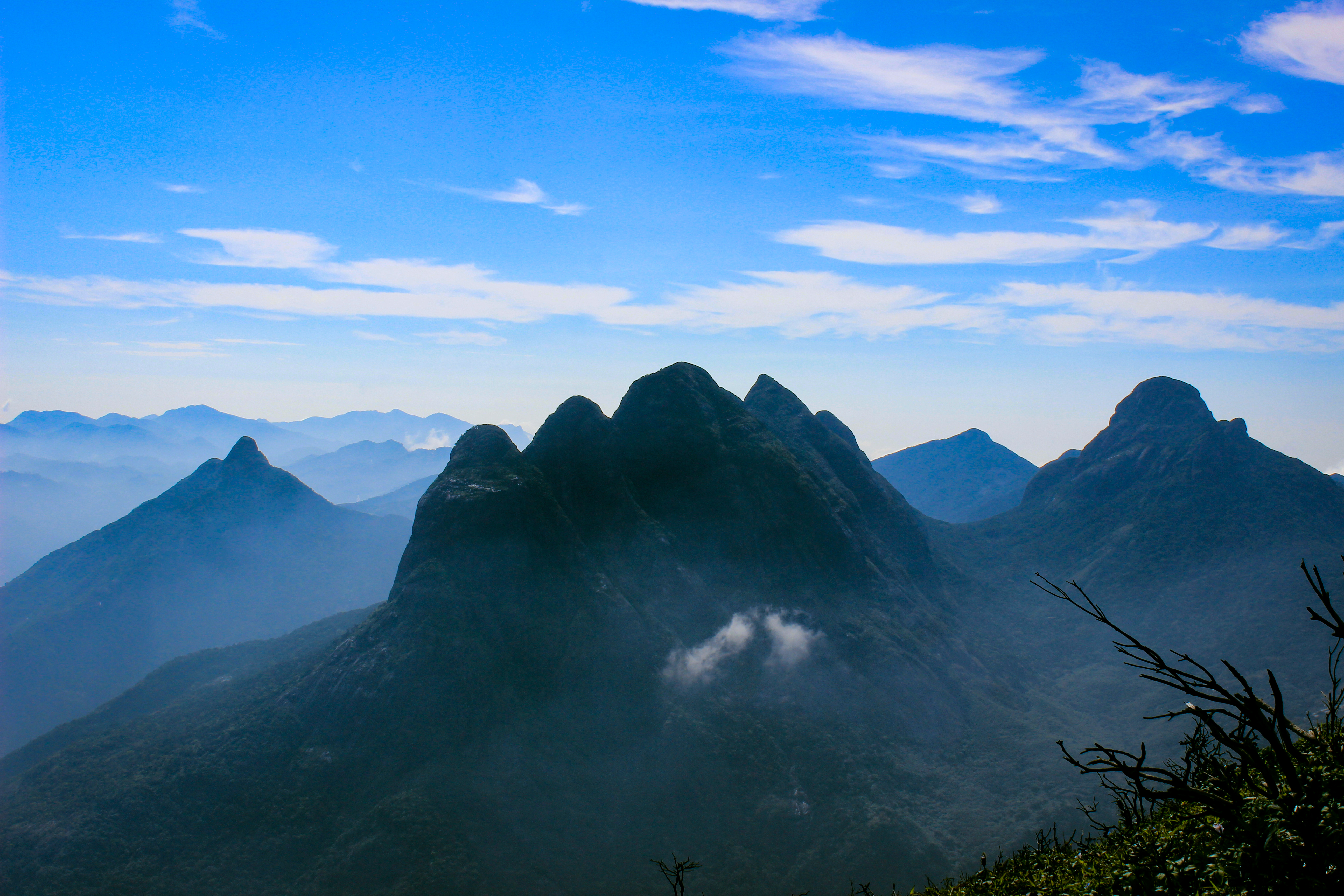
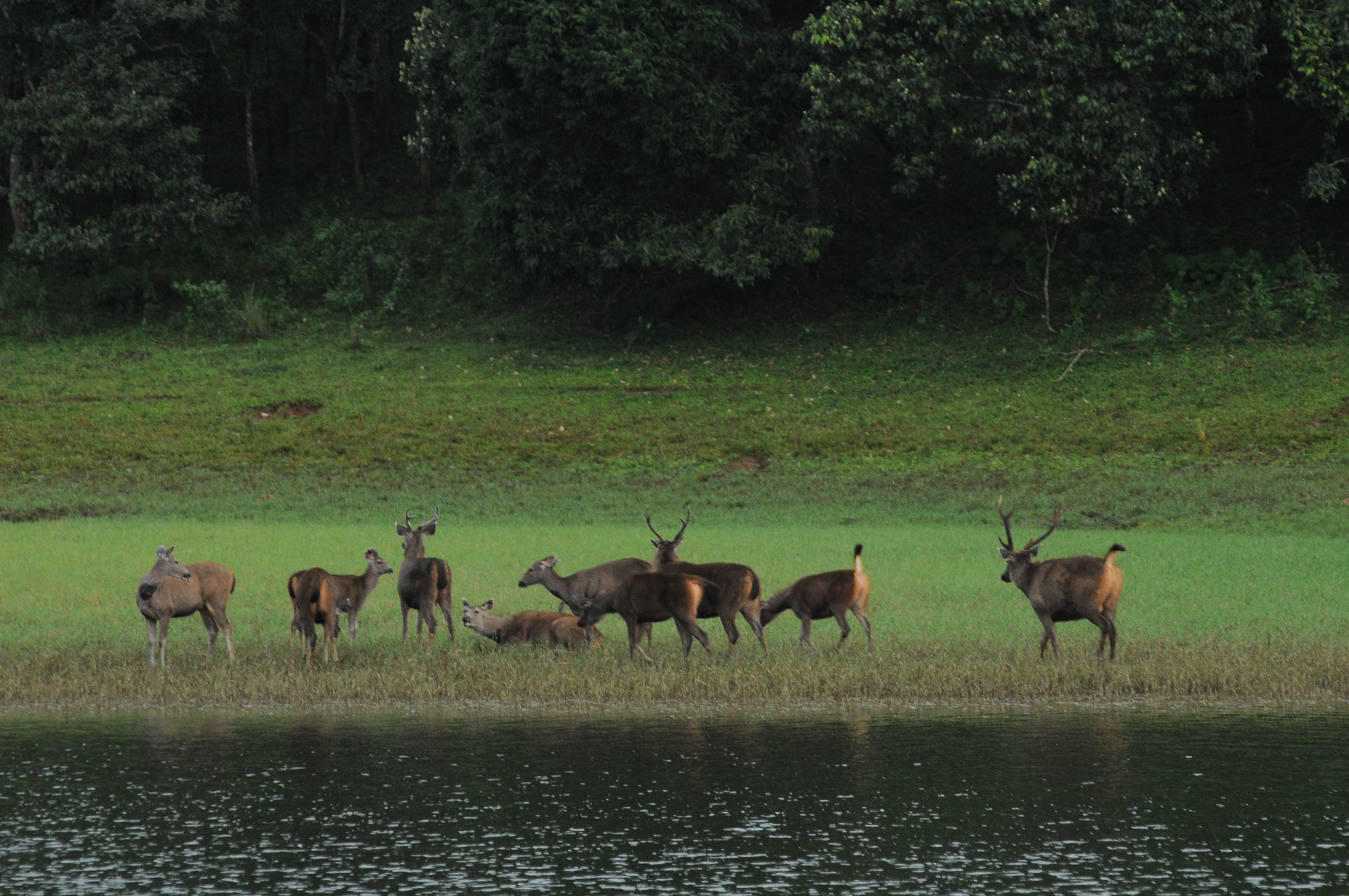
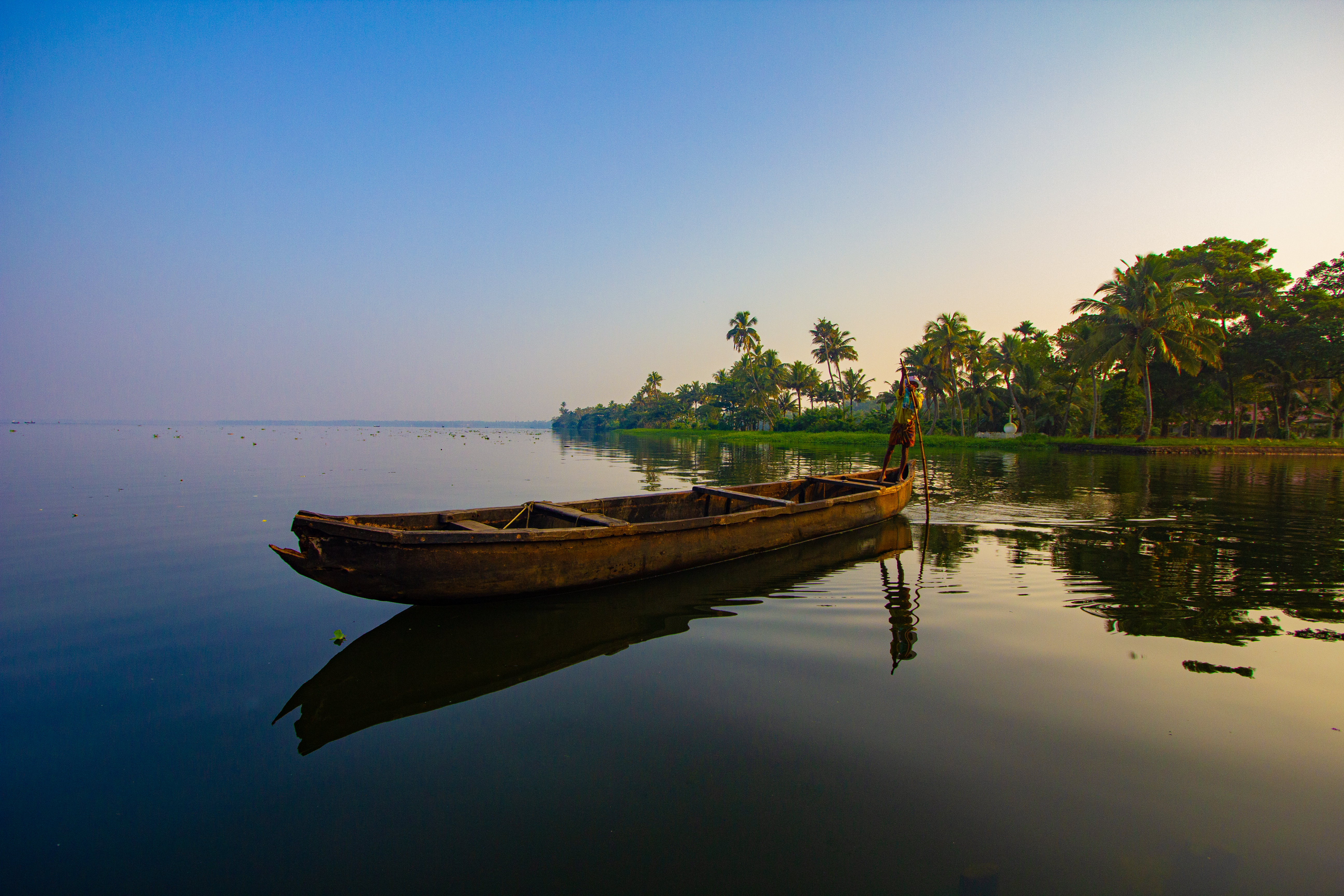
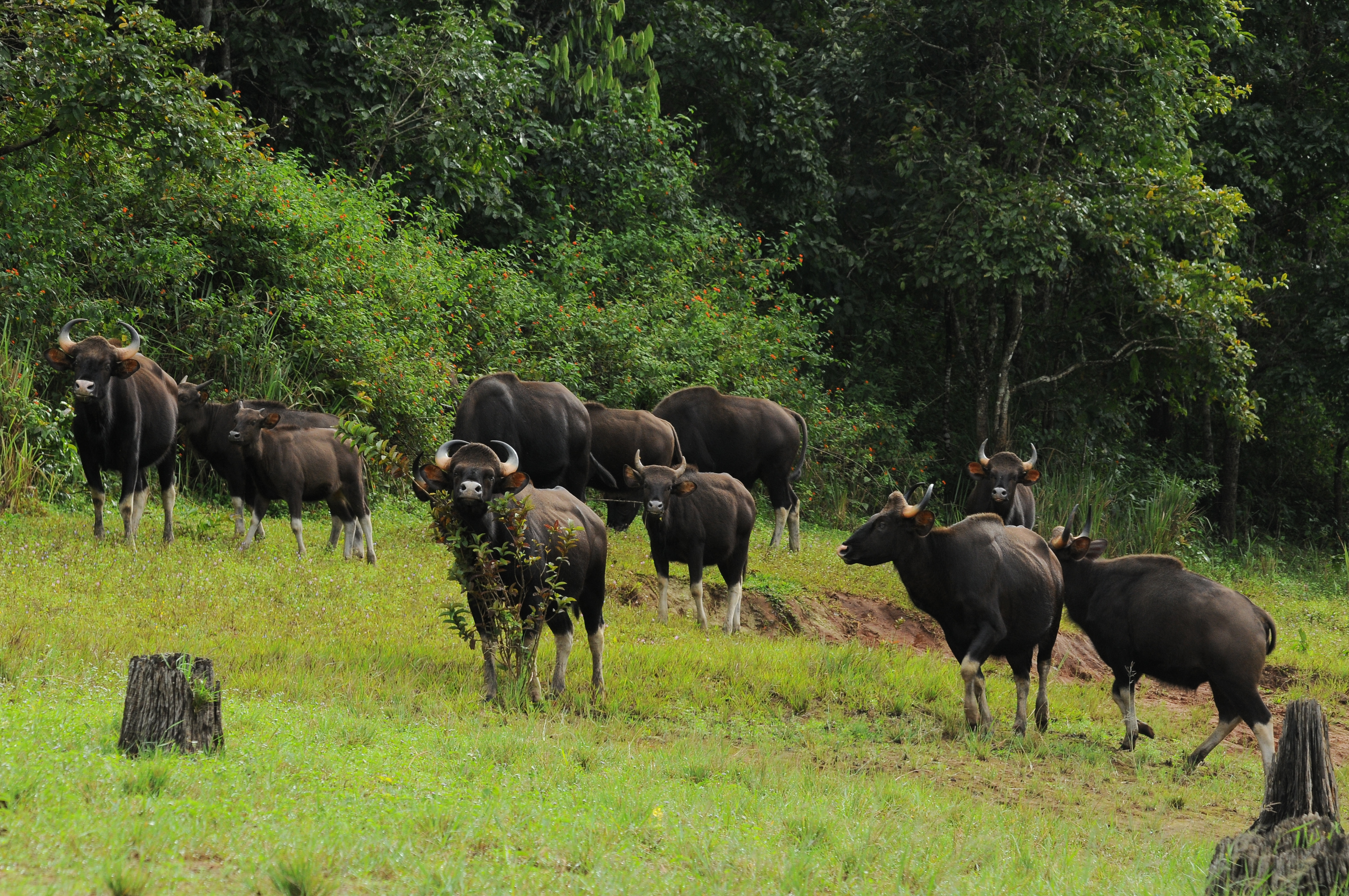
In a country of continental scale and staggering ecological diversity, Kerala has emerged as the single most coherent model for how a state can build an economy around nature without consuming it. Occupying just 1.18% of India's land area, Kerala shelters nearly 30% of India's medicinal plants, 500+ bird species, 120+ species of mammals, and five ecological zones — highlands, forests, midlands, backwaters and coast — each with its own intricate biodiversity. The Western Ghats, which form the state's eastern spine, are one of only eight globally recognised biodiversity hotspots and a UNESCO World Heritage Site.
The International Ecotourism Society (TIES) defines ecotourism as "responsible travel to natural areas that conserves the environment and improves the well-being of local people." Kerala has not merely adopted this definition — it has institutionalised it through a unique combination of forest department ecotourism centres, the state's Responsible Tourism Mission, community-run homestays, tribal co-operatives, and the Green Carpet certification framework. The result is a destination where the visitor's presence, when handled correctly, actively finances conservation rather than threatening it.
"In every walk with nature one receives far more than he seeks. Kerala understood this — and built a tourism economy around listening to the land."
— John Muir · adapted for Kerala's eco-tourism philosophyThe Western Ghats: Kerala's Ecological Engine
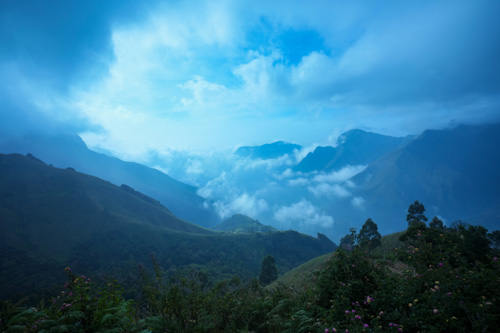
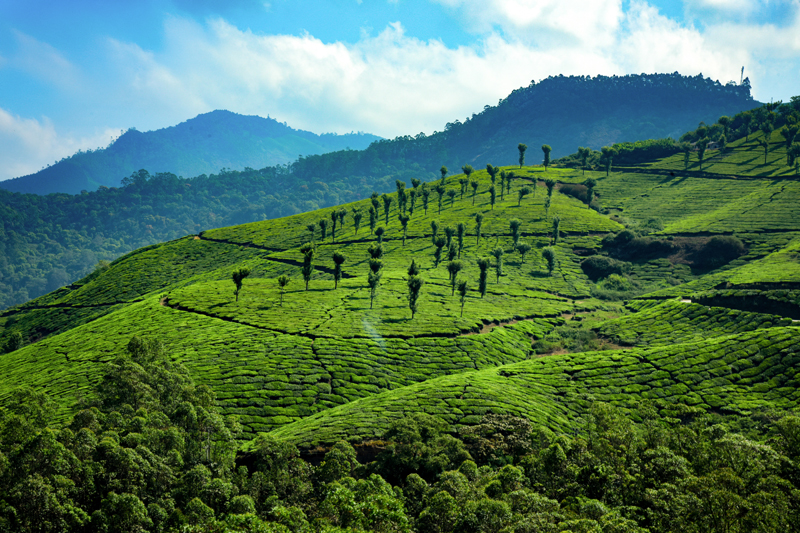
The Ghats are not simply mountains. They are a meteorological and biological engine — intercepting the southwest monsoon, generating 80% of the peninsular river systems that feed 400 million people, and maintaining habitats so ancient that their flora predates the Himalayan range. Within Kerala, the Ghats descend through a series of distinct biomes: cloud forest above 1,800 metres, shola-grassland mosaics between 1,200 and 1,800 metres, moist evergreen forest between 500 and 1,200 metres, and semi-evergreen and moist deciduous forest in the foothills.
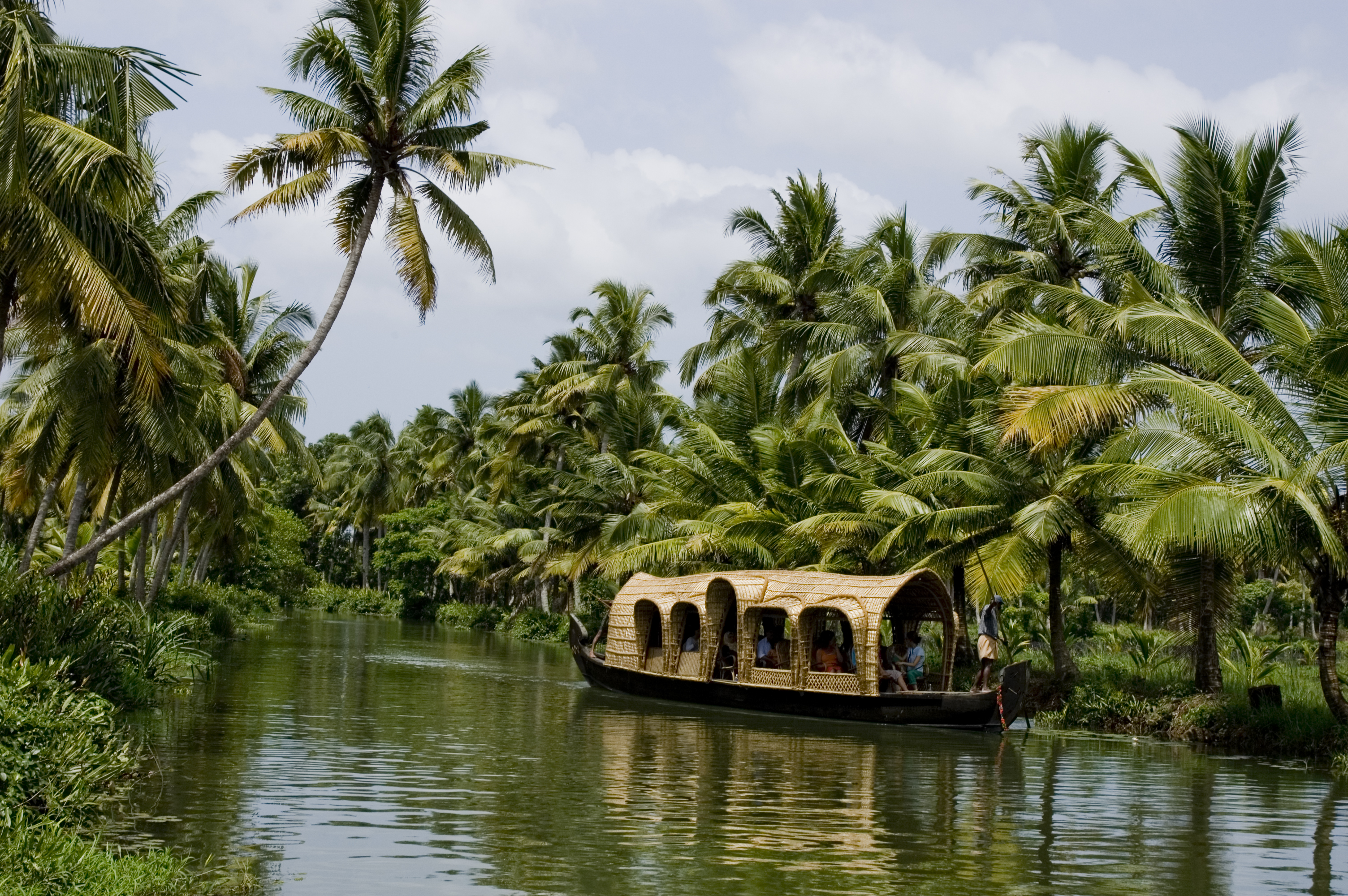
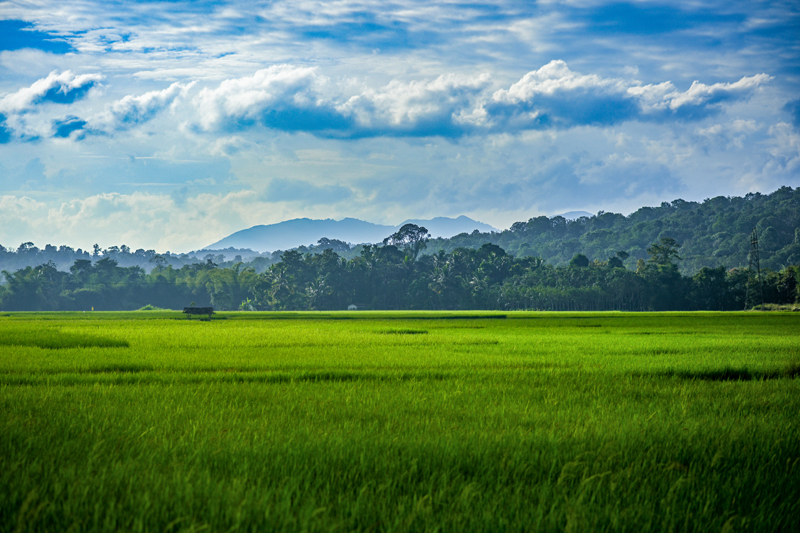
This vertical and climatic complexity is why ecotourism in Kerala can offer such radically different experiences within a few hours of driving — from bamboo rafting through elephant-visited forest in Periyar to the misty silence of Eravikulam's Nilgiri Tahr grasslands to the below-sea-level paddy fields of Kuttanad. No comparable diversity exists in any other region of India at this scale.
Kerala's Eco-Tourism Infrastructure
Three government agencies manage Kerala's ecotourism network. The Kerala Forest Department operates over 60 ecotourism centres through participatory Eco Development Committees where tribal youth serve as guides, eco-guards and camp managers. The Kerala Forest Development Corporation (KFDC) runs jungle camps and nature retreats on forest-fringe land, including the celebrated Gavi Nature Camp. The Kerala Tourism Department provides policy framework, Green Carpet certification and the overarching Responsible Tourism Mission.
Together, these three bodies manage a network that spans Silent Valley in the north to Neyyar in the south — some 40,000 sq km of protected and managed forests through which a visitor can travel on a single responsibly designed itinerary, supporting different communities at each stop.
Challenges Kerala Is Still Working Through
Kerala's eco-tourism story is not without its contradictions. Over-tourism at iconic nodes — Munnar, Alleppey, Thekkady — generates noise, traffic, plastic, and price inflation that harm the very communities ecotourism is meant to uplift. Unscientific construction in forest-fringe zones has destabilised hillsides and fragmented wildlife corridors. The 2018 and 2021 floods, both intensified by catchment degradation linked to inadequate land-use controls, revealed that ecological protection and economic extraction cannot coexist without robust governance.
The Responsible Tourism Mission's answer is visitor distribution — channelling demand toward lesser-visited destinations through the STREET programme, community village circuits, and the Destination Adoption Initiative launched in 2024. The logic is sound: Kerala has too many extraordinary places to allow any single one to bear the full weight of tourism demand. The challenge is execution at scale.