Wayanad's Hidden Waterfall
Kanthanpara — Where the Path Is the Point
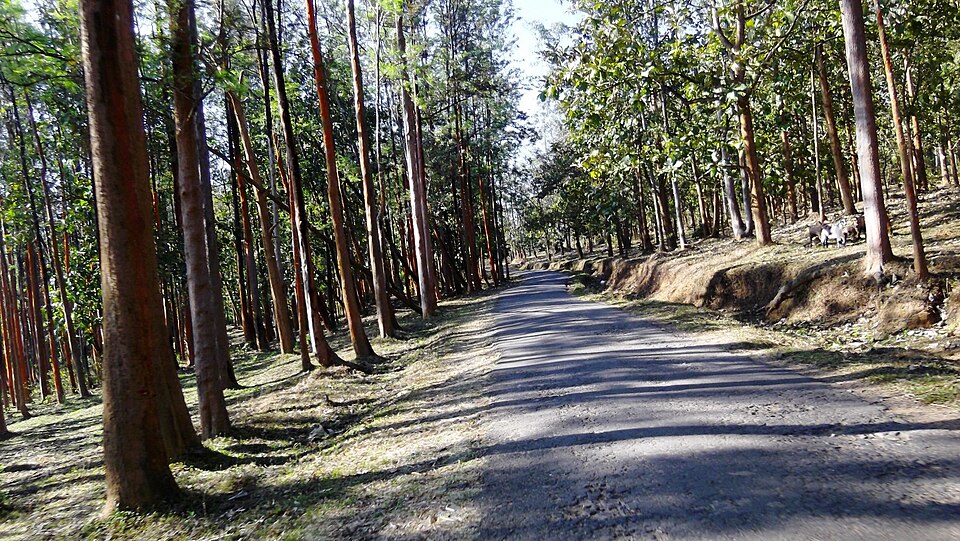
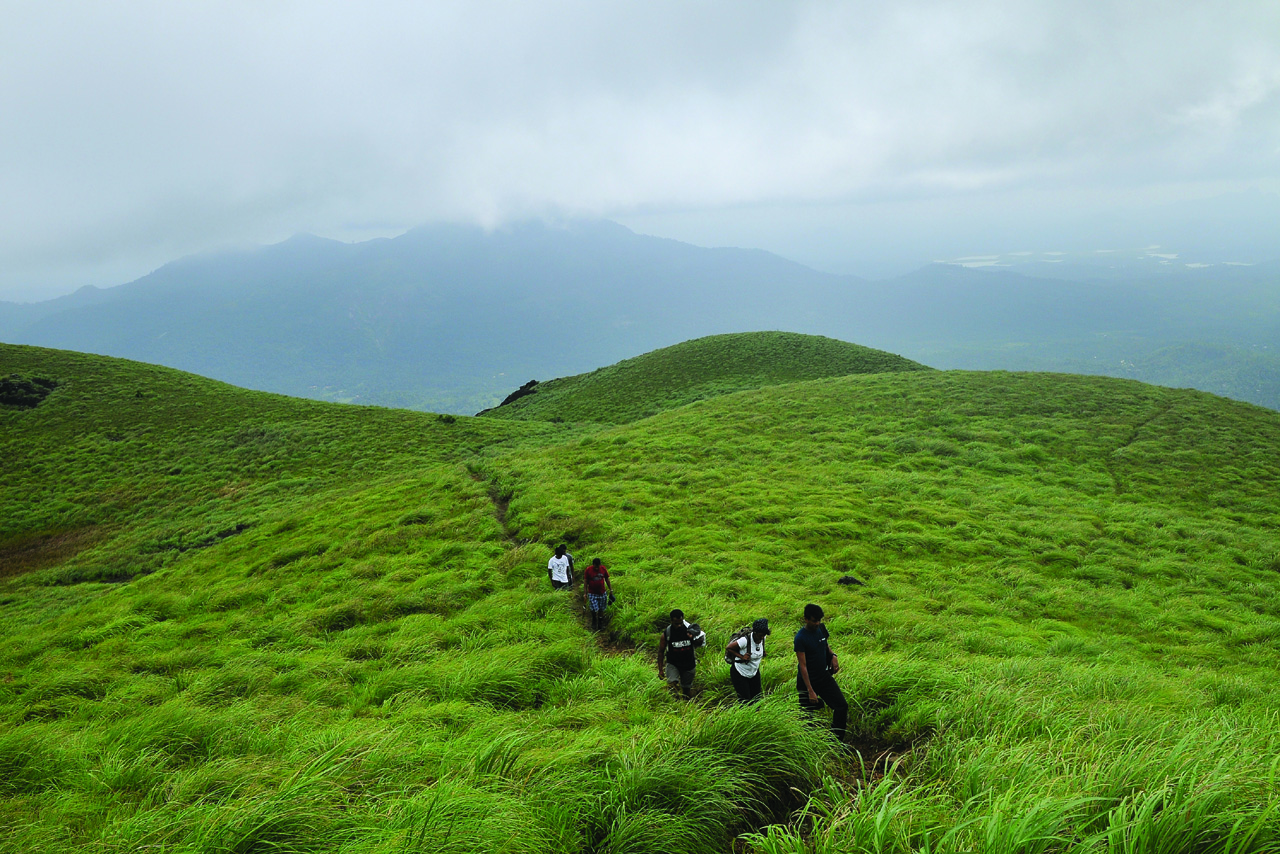
There is a local saying about Kanthanpara Waterfall that no guide repeats but every visitor discovers: the path to the falls is more beautiful than the falls itself. This is not false modesty about the cascade — it is an accurate description of an experience that begins the moment you leave the Vaduvanchal road and step into the corridor of tea gardens, bamboo groves and forest edge that leads to one of Wayanad's most rewarding natural encounters.
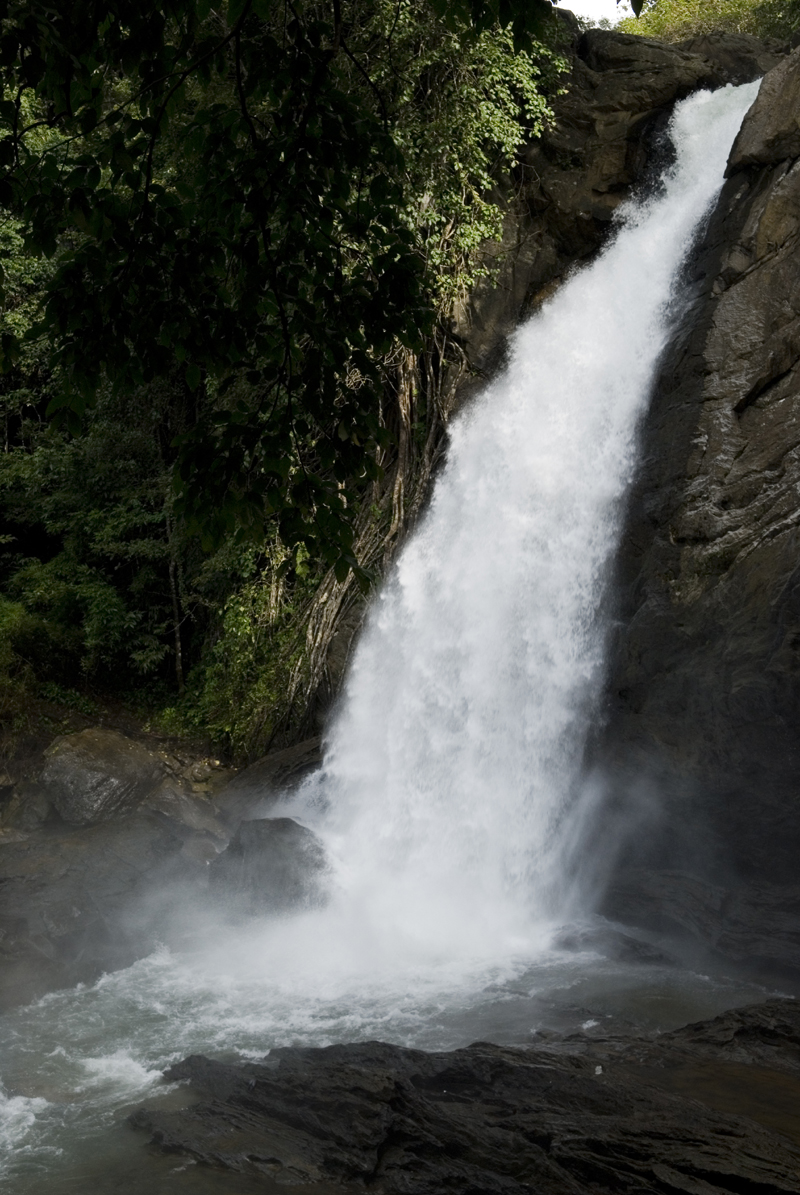
Kanthanpara is a 30-metre, two-tiered waterfall located 8 km from Meppadi and 19 km from Kalpetta, within the Meppadi forest range of the South Wayanad Forest Division. Unlike the region's more theatrical waterfalls — Soochipara with its three tiers and rope-bridge drama, or Meenmutty with its 300-metre plunge that requires a 2 km trek through moist deciduous forest — Kanthanpara offers something rarer in the Western Ghats: accessibility without compromise. You can reach the falls without a demanding trek, and yet feel completely absorbed by nature, because the landscape around the falls is as rich as any in Wayanad.
"The sound of Kanthanpara reaches you before you see it — not as thunder, but as conversation. A gentle, continuous voice beneath the birdsong."
— Kerala Nature Vibes · Field Notes, WayanadGeography and Ecology
Kanthanpara falls on the Kanthanpara River, a stream originating in the high forests of the Western Ghats above Meppadi. The river descends through a series of rocky ledges before reaching the main cascade — a two-level fall that drops onto a broad, smooth rock shelf before continuing into a natural pool below. At the base, the pool is clear, cold and calm enough for safe wading; in peak monsoon the current intensifies significantly, making swimming inadvisable.
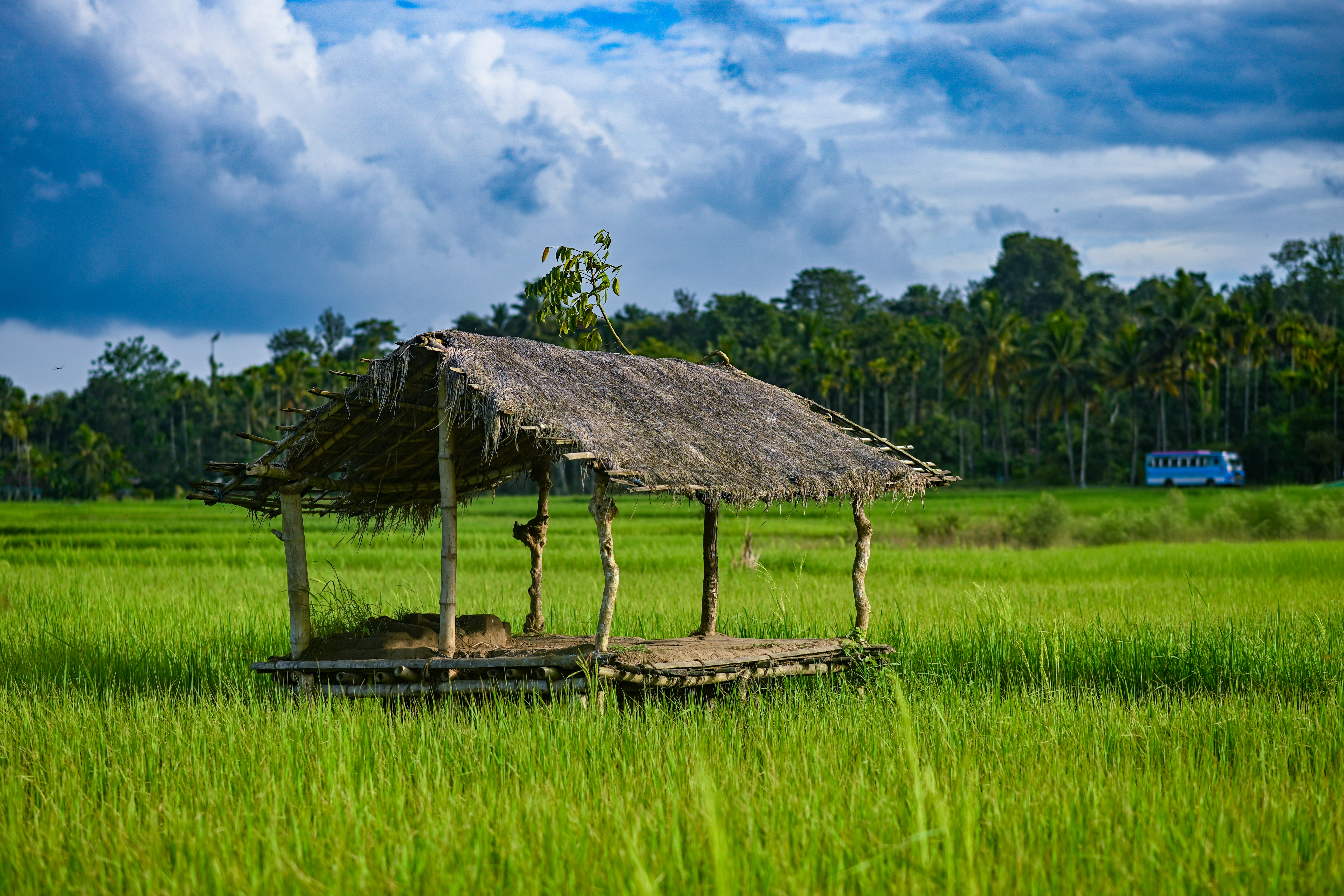
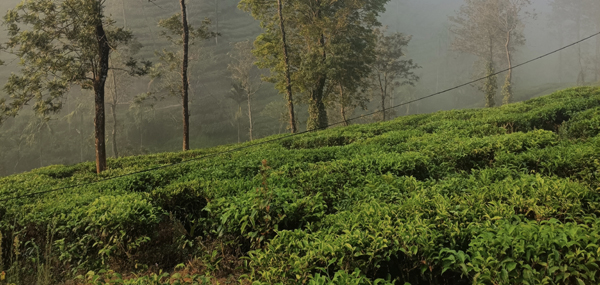
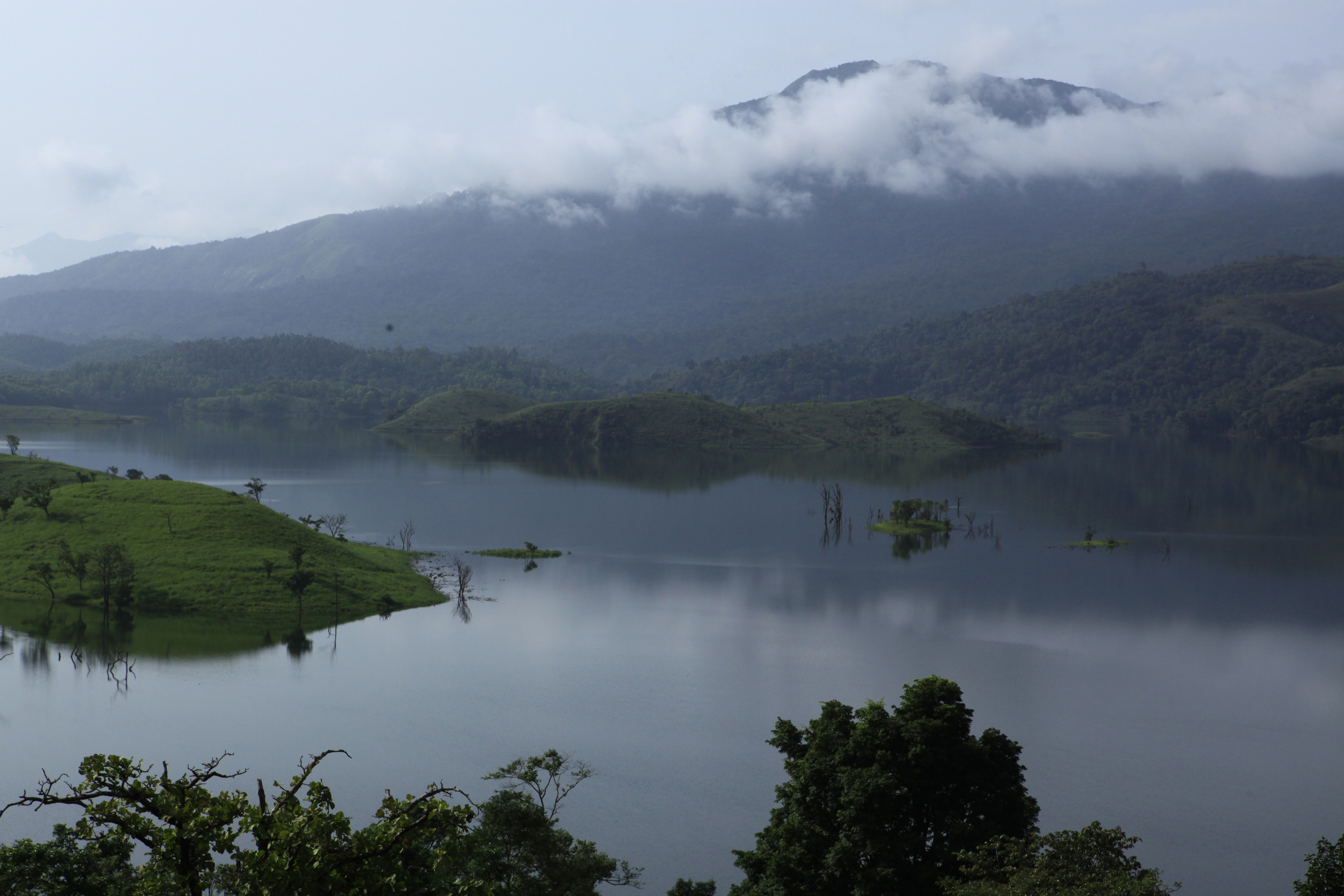
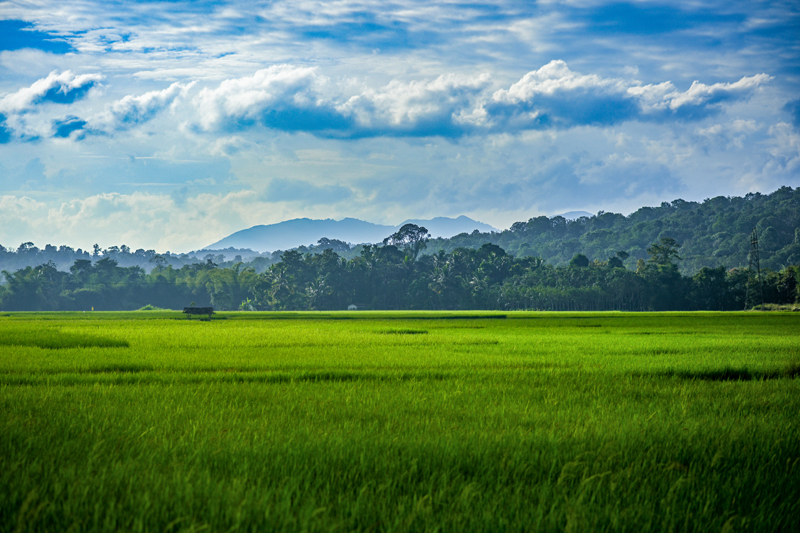
The falls are framed on both sides by tea estates whose greenery creates a corridor of extraordinary beauty. Above and behind the falls, the hills are heavily forested — part of the protected Meppadi forest range — providing both the ecological source of the water and the habitat for the bird species that make this site a favourite with naturalists. Bamboo gardens line portions of the approach trail, their stems creating a natural acoustic chamber that amplifies the sound of the water and the calls of forest birds.
The Character of Kanthanpara
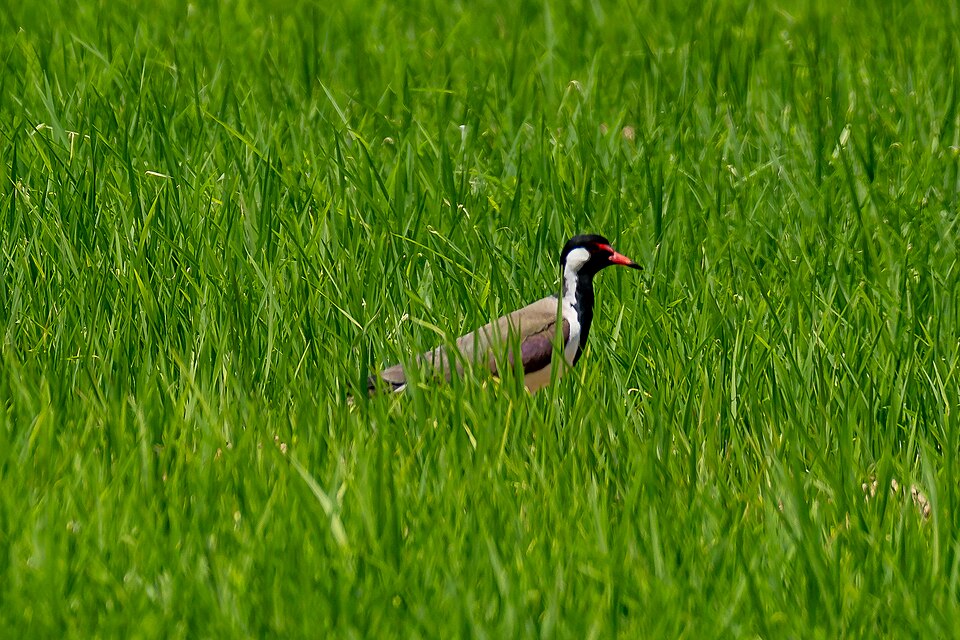
What distinguishes Kanthanpara from most of the waterfalls that attract large tourist volumes in Wayanad is its intimate scale and sensory richness. This is not a destination you visit for spectacle. You visit it for the experience of being inside a landscape rather than in front of one: the mist that rises from the falls in the morning, the filtered light through bamboo, the smell of wet rock and forest soil, the calls of hornbills and kingfishers that echo through the valley.
The DTPC (District Tourism Promotion Council) Wayanad manages the site, maintaining the ticketing, trail infrastructure and guided activity programme. The forest department's community ecotourism framework ensures that a portion of entry fees goes toward forest protection in the Meppadi range. This is not incidental — it means your visit directly funds the conservation of the habitat that makes the birds and forest around Kanthanpara possible.
Two Waterfalls in One
A detail that surprises many first-time visitors: Kanthanpara is actually two waterfalls. The main cascade is the more photographed, but a second smaller fall sits adjacent, visible from the same vantage points and creating a doubled acoustic presence. The two falls are both encircled by plantations and natural forest, and from the viewing areas you can take in both simultaneously — a composition that makes Kanthanpara one of the most photographically satisfying sites in Wayanad without requiring any dramatic positioning or long-lens equipment.
The surrounding landscape also changes dramatically with the seasons. In October and November, fresh from the monsoon, the tea gardens on either side are at their most vivid — a colour saturation that turns the falls into the centrepiece of a landscape that already justifies the journey. By February, the volume of water decreases but the forest's drier air improves birdwatching conditions and reduces the slipperiness of the approach trail. In summer, the falls slow to a trickle but the pools persist, and the place empties of visitors almost entirely — a circumstance that some naturalists consider the best time of all.