The Story Behind the Spices
Malabar -- Where Every Dish Has a Passport
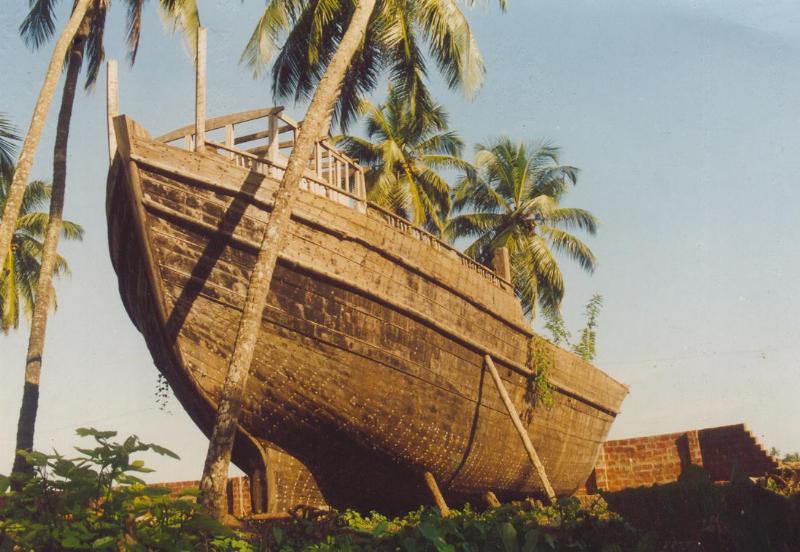
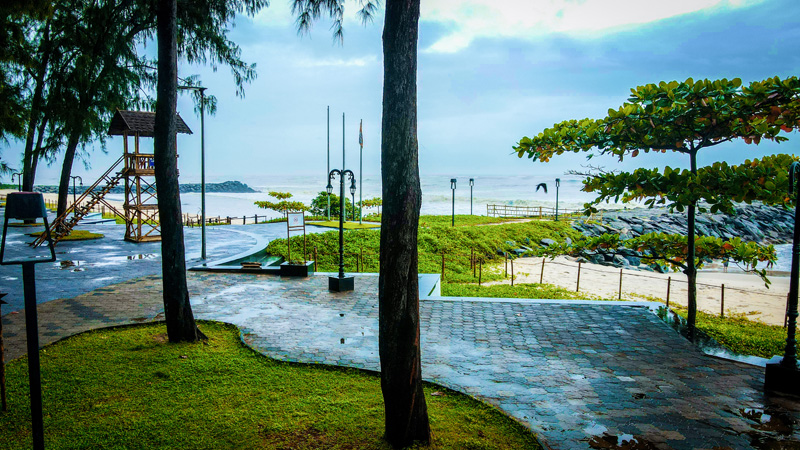
The Malabar Coast of Kerala has been one of the world's most desired addresses for over two millennia. Romans paid in gold for its pepper. Arab traders sailed the southwest monsoon winds to reach it. Chinese fleets anchored at Calicut. Vasco da Gama landed at Kappad beach in 1498, changing the world's trade routes forever. Portuguese, Dutch and British colonisers each left their culinary fingerprints. What resulted from this extraordinary convergence is a cuisine -- and a culture -- that is unlike anything else in South Asia: the Mappila food tradition of North Kerala, now one of the most celebrated culinary heritages in India.
The name Malabar has become shorthand for a specific style of cooking -- aromatic rather than fiery, weighted with spice but not overwhelmed by it, deeply layered with technique, and inseparable from its coastal geography. Coconut, coconut oil, curry leaves, and the black pepper that started it all form the ecological foundation. Arab influences introduced the short-grain rice that became Thalassery biryani. The Portuguese left their sugar and egg traditions that, combined with local coconut and jaggery, created the legendary Kozhikode halwa. The British spice trade intensified the cultivation of cardamom in the Western Ghats behind the coast, adding a fragrant dimension that distinguishes Malabar food from every other South Indian cooking tradition.
To do a Malabar food and culture tour is not merely to eat well -- and you will eat extraordinarily well. It is to walk through a living archive of globalisation before that word existed: every dish tells the story of a maritime encounter, a cultural negotiation, a community that took what arrived on its shores and made it entirely its own.
"Food is such an integral part of the lifestyle and culture of the Malabar Coast that one can say the people here live and breathe food -- especially the Mappila community, which has a long-standing tradition of whipping up the most delicious dishes."
-- The Malabari Food Scene, Cherayakat JournalThe Mappila Community and the Origins of Malabar Cuisine
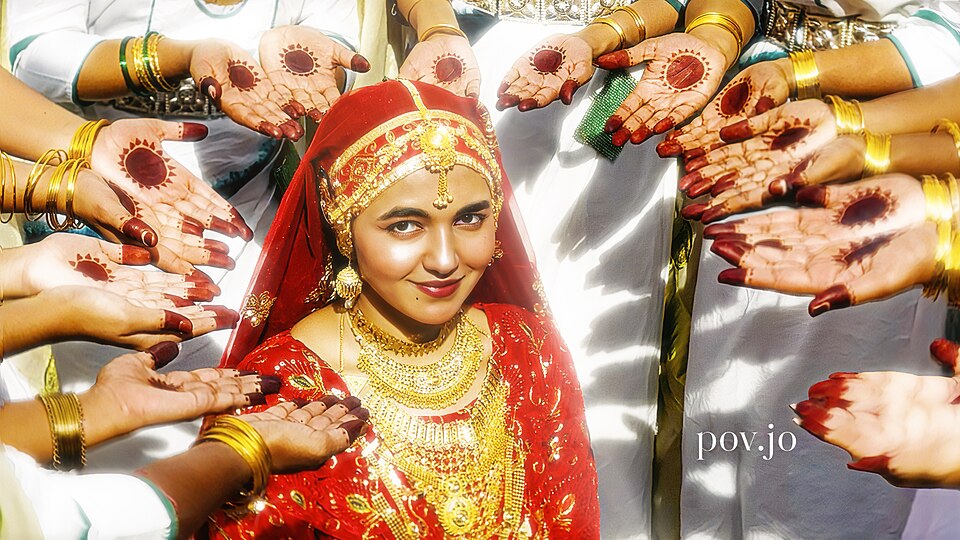
The word Mappila (also rendered Moplah or Mopila in colonial records) refers to the Muslim communities of the Malabar Coast -- a community whose origins lie in the intermarriage of Arab traders with local Kerala women beginning in the 7th century AD. Islam reached the Malabar Coast earlier than almost anywhere else in South or East Asia -- a consequence of the spice trade that connected the region directly to the Arabian Peninsula, Persia, and the Red Sea ports.
Before European arrival, the Mappilas were a prosperous trading community settled in the coastal urban centres of Calicut (Kozhikode), Thalassery, Kannur, and Beypore. Their continuous interaction with the Arab world -- through trade, pilgrimage, marriage, and scholarship -- created a profound cultural synthesis that expressed itself most completely in their food. The bare bones of Mappila cooking rest on four foundations: the choice of aromatic spices (cardamom, cloves, cinnamon, red chilli, black pepper); coconut in multiple forms (fresh, oil, milk, dried); short-grain Jeerakasala or Kaima rice; and an abundance of meat and seafood. Over this foundation, centuries of Arab influence layered techniques for slow cooking, stuffed meats, and celebratory one-pot dishes -- of which biryani is the greatest surviving expression.
Thalassery Biryani -- India's Most Underrated
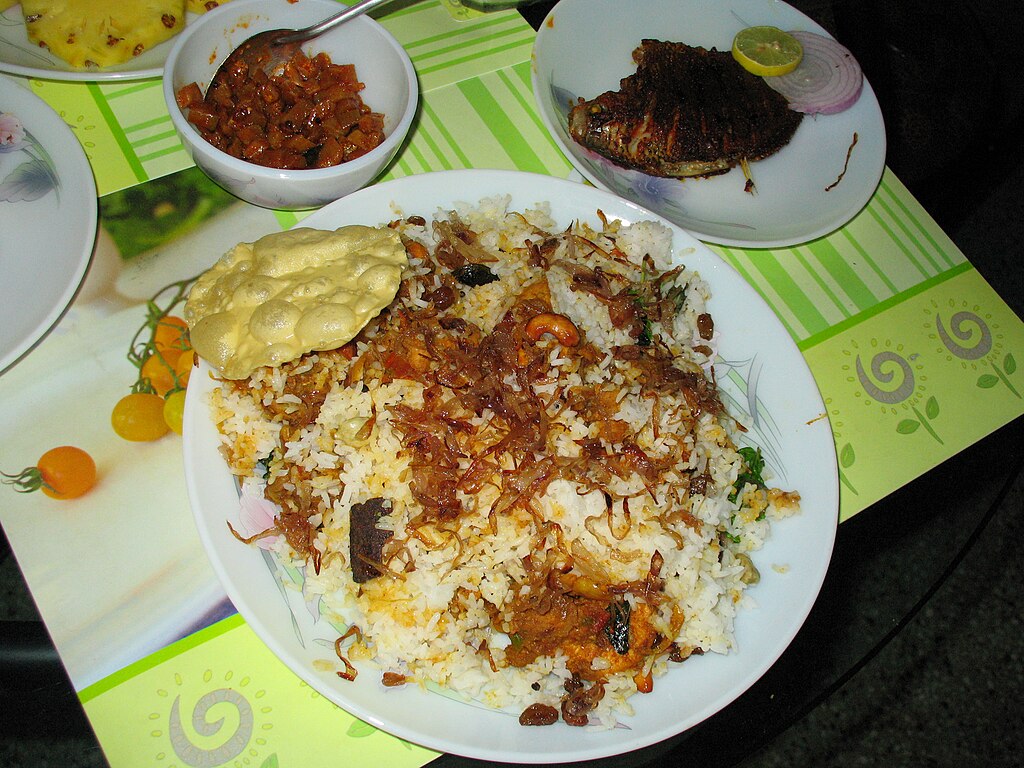
In every biryani debate that has ever happened in India, Thalassery biryani is mentioned last -- or not at all. This is a culinary injustice of historic proportions. The dish that has been perfecting itself on the Malabar Coast since Arab traders docked there in the 7th century, refined by generations of Mappila Muslim cooks using short-grain Jeerakasala rice native to Kerala and a spice blend entirely distinct from the northern ghee-heavy tradition, deserves its place among the greatest rice dishes in the world.
Thalassery biryani uses Jeerakasala rice -- a small, fragrant, short-grain variety grown in the foothills of the Western Ghats. The name literally means "cumin-scented," and the rice has a natural aroma that makes it ideal for dum cooking. The meat (typically chicken or mutton) and the rice are cooked separately with distinct spice profiles, then layered and sealed for a final dum (steam) cooking that marries the flavours without muddying them. The result is lighter than Hyderabadi biryani, less oily, more aromatic, and deeply specific in its taste -- a biryani that you cannot replicate with any other rice variety.
Local culinary history credits M.K. Mohammed Haji of the Paris Restaurant in Thalassery with popularising the dum-style biryani in 1942, codifying what had been a domestic tradition into a restaurant staple. The Paris Restaurant still operates today and remains a pilgrimage site for food lovers visiting North Kerala.
Kozhikode Halwa -- The Portuguese Left Sugar
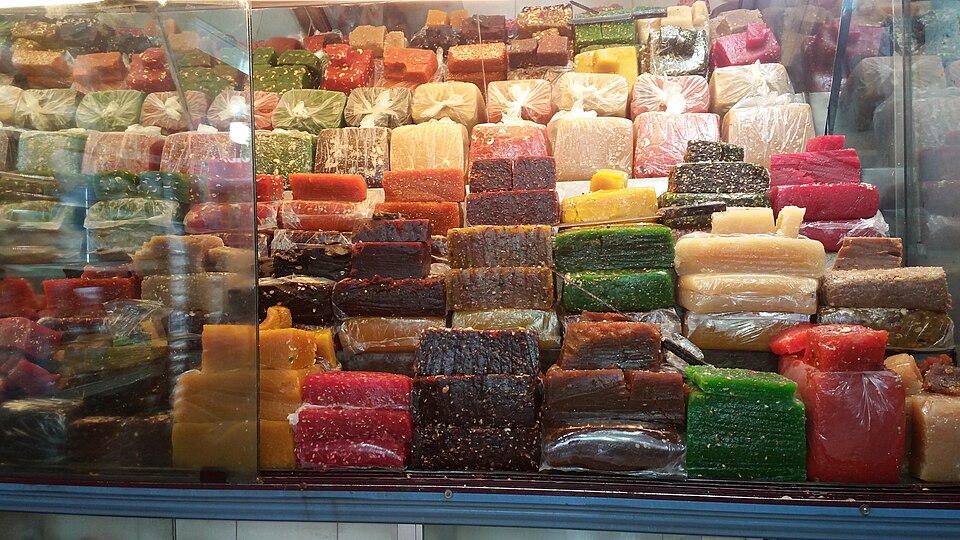
Kozhikode halwa is one of Kerala's most distinctive confections -- a dense, translucent, gelatinous sweet sold in squares from shops that have operated on the same Kozhikode street for over a century. The halwa tradition in Kozhikode is believed to have been introduced during the Portuguese colonial era, when European sweet-making techniques met local ingredients of coconut, jaggery, cardamom and banana.
Today, S.M. Street (Mittayi Theruvu -- literally "sweet street") in Kozhikode is the undisputed halwa capital of Kerala. The characteristic black variety, flavoured with banana and dark jaggery, is the most beloved. Other varieties come in white (flavoured with wheat starch and rosewater), orange (saffron and cardamom), and green (pandan). The best halwa shops in Kozhikode are family operations that have been making halwa for three or four generations, using recipes that have never been written down and are considered family secrets. Buying halwa in Kozhikode is not shopping -- it is participating in a living cultural tradition.
"The Arabs were world-famous traders of spices who reached the Malabar region for pepper and cardamom, mingled with the locals, adapted new cooking techniques, and gave rise to a new cuisine that is unlike anything else in South India."
-- Food historians on Mappila cuisine originsBeyond Biryani -- The Full Width of Malabar Food
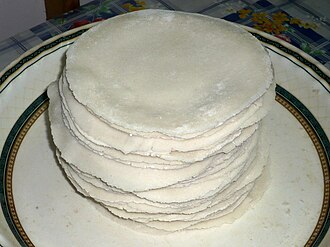
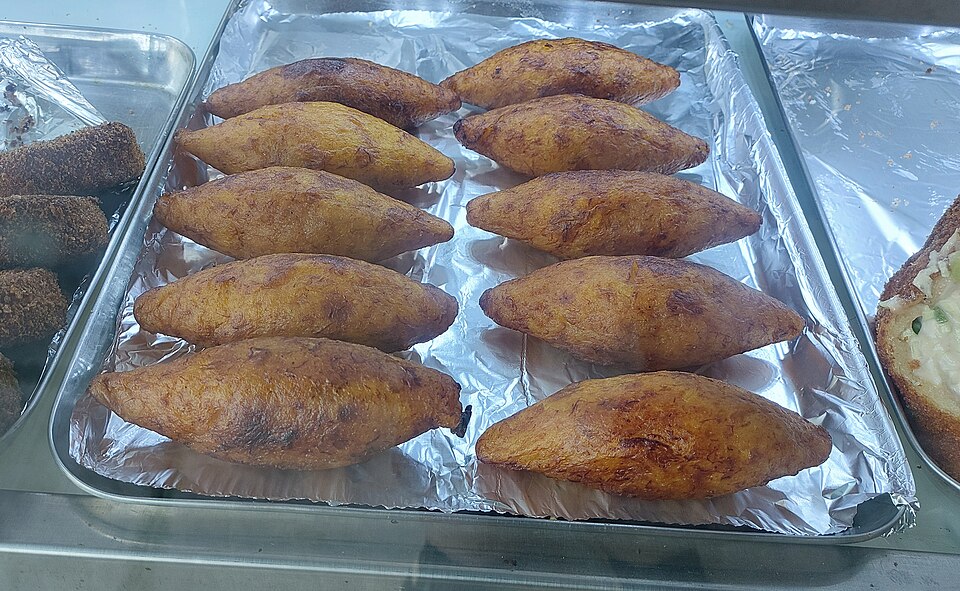
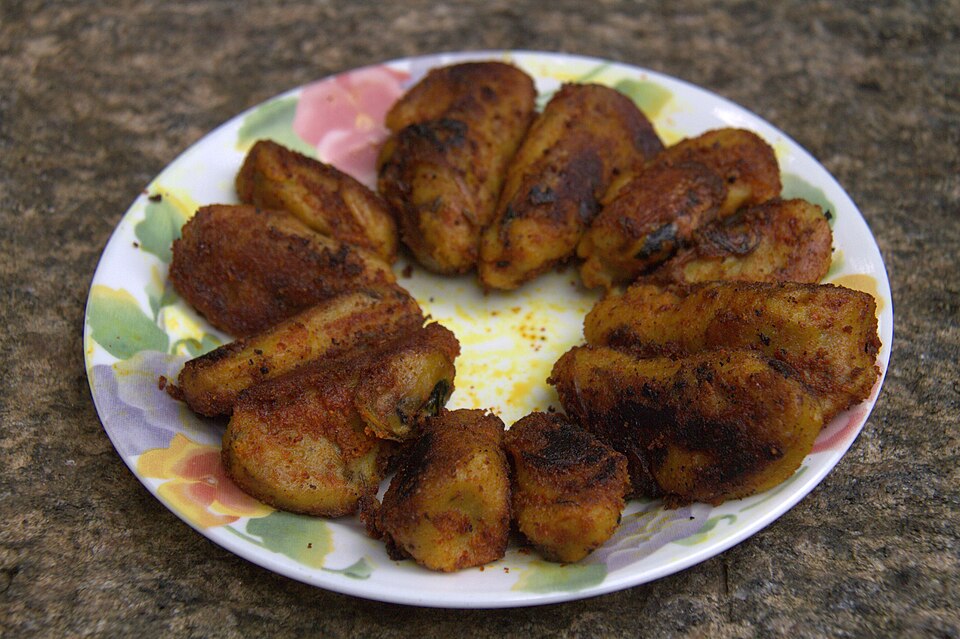
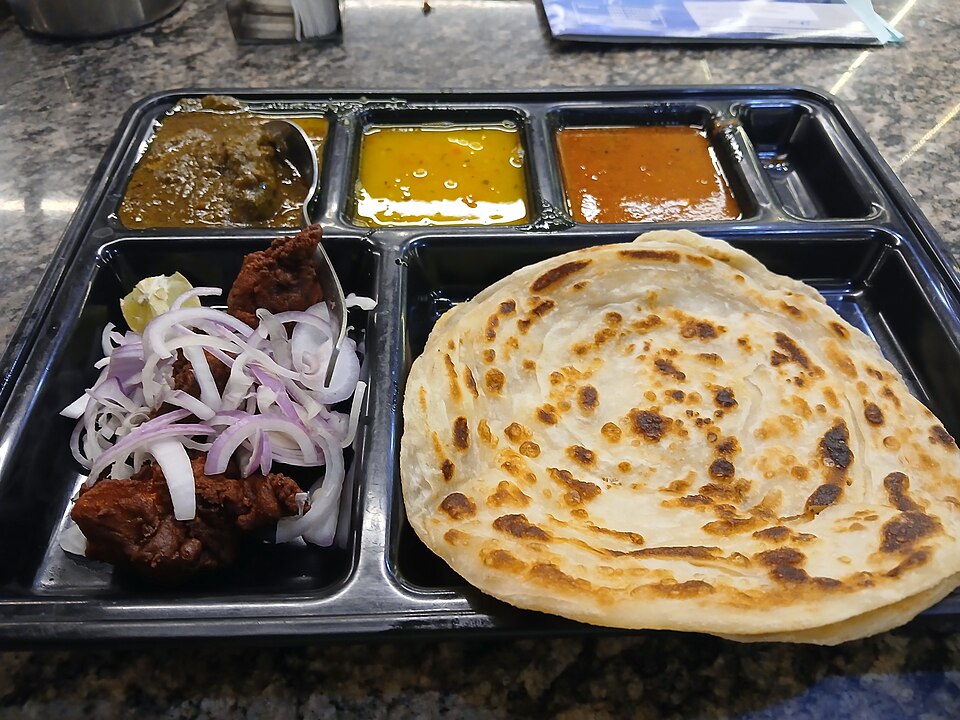
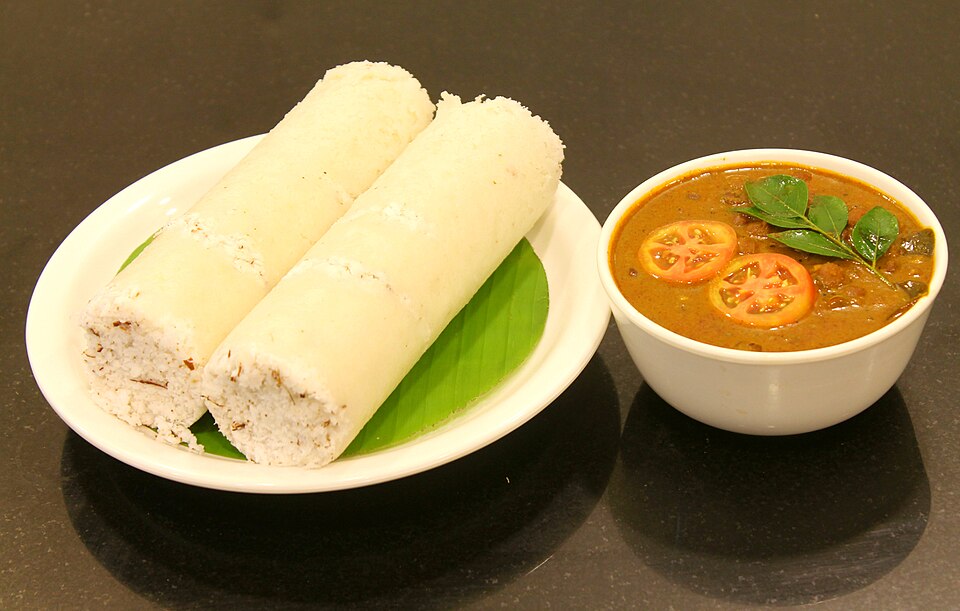
A Malabar food tour that focuses only on biryani misses the extraordinary breadth of this cuisine. Pathiri -- thin, soft rice flour flatbreads -- are the everyday companion to fish and chicken curries, and are made with a technique that produces a texture unlike any other Indian bread. Unnakaya -- a sweet, spindle-shaped snack made from mashed plantain stuffed with coconut, cashews and raisins then fried -- shows the Arab influence on dessert architecture. Kallumakkaya fry (fried mussels) represents the coastal dimension: the Malabar Sea gives this cuisine an extraordinary seafood vocabulary that includes specific preparations for kingfish, pomfret, prawns, crab, and the mussels that are farmed in the backwaters. And Malabar parotta with beef curry is the everyday comfort food of the region -- layered, flaky, buttery flatbreads served with a slow-cooked, deeply spiced beef preparation that has achieved the status of regional identity dish.